Shuang Ho Hospital, Ministry of Health and Welfare, held a superintendent handover ceremony today (31st), with Lee Ming-Che, the hospital's Vice Superintendent of Medical Affairs and Chairman of the Organ Donation Registration and Patient Autonomy Promotion Center, assuming the role of the new superintendent. Lee stated that with Shuang Ho Hospital being upgraded to a medical center this year, a transformation in healthcare services is necessary. After taking office, he plans to adjust the revenue balance between outpatient and inpatient services and leverage advanced medical practices such as transplant medicine to offset the financial shortfalls caused by reduced outpatient volumes, achieving a balance between tiered medical care and healthcare staff income.
Lee Ming-Che has previously served as the Chairman of the Organ Donation Association, Director of the Eastern Region Organ Procurement Center, and Director of the Organ Transplantation Center at Hualien Tzu Chi Hospital. In December last year, he also assumed the position of Chairman of the Organ Donation and Patient Autonomy Center.
With Shuang Ho Hospital’s upgrade to a medical center, Lee emphasized the need for a healthcare transformation focused on critical, complex, rare, and severe medical cases, thereby implementing tiered medical care. Observing that the hospital’s outpatient visit numbers and surgeries have declined due to increased registration fees after the upgrade, he noted that the current revenue ratio between outpatient and inpatient services stands at 1.2:1. He aims to bring it down to 1:1 or lower in the future, compensating for revenue shortfalls through advanced medical practices.
“Transplant medicine is the driving force for medical advancement,” said Lee. He explained that transplant medicine aims to extend the lives of patients with organ failure or those in critical condition while they await suitable organ donors. Patients require long-term use of anti-rejection medications post-transplant, which can cause specific side effects and unique health challenges. This process demands high-level expertise and interdisciplinary collaboration from the medical team.
Currently, Shuang Ho Hospital is the most capable organ donation and transplantation facility within the Taipei Medical University system. The hospital is certified to perform transplants for organs such as the heart, lungs, liver (including living donor transplants), kidneys, corneas, bones, and tissues. Medical staff can be deployed through the university’s Organ Transplant Research Center to affiliated facilities, such as Wanfang Hospital, to assist in the care of patients with organ failure. When necessary, patients may also be referred to Shuang Ho Hospital for transplantation procedures.
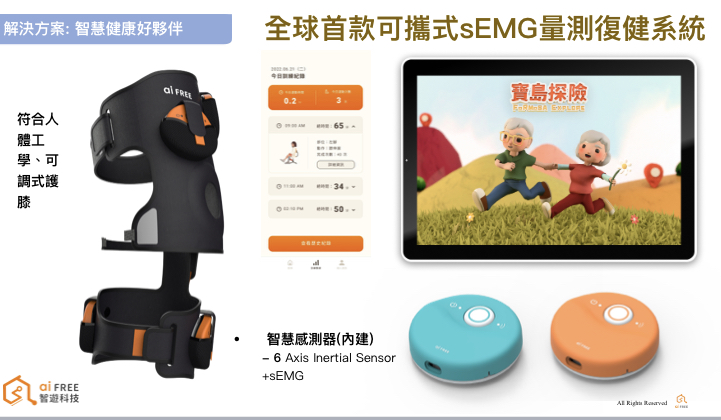
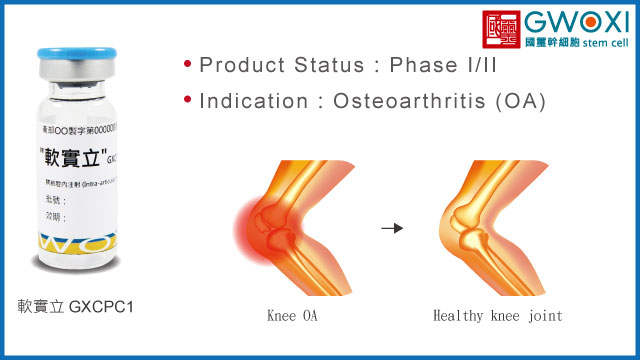
Additionally, due to its proximity to the Taipei Medical University Shuang Ho Biomedical Park, which houses numerous biotech and pharmaceutical companies, along with the university’s existing foundational research resources, Shuang Ho Hospital is well-positioned to facilitate clinical research and its implementation. Lee highlighted that among all university hospitals in Taiwan, Shuang Ho Hospital has the greatest potential as an integrated ecosystem for industry, medicine, and academia. The hospital will continue to advance the development of cutting-edge medical practices and actively recruit and train talent. It aims to focus on frontline advanced treatments, ensuring that critically ill patients receive comprehensive and state-of-the-art interdisciplinary care when entering Shuang Ho Hospital.
Resource: 器捐病主中心董事長李明哲接任雙和院長 首推高端醫療