The 2024 Taiwan Healthcare Expo opened yesterday, with Taipei Veterans General Hospital (TVGH) presenting innovative technologies under the theme "Precision Medicine and Smart Technology." Among the highlights was Boron Neutron Capture Therapy (BNCT), which has been part of clinical trials for cancer treatment for years, benefiting over 500 patients with head and neck cancers, brain cancers, and other conditions. Dr. Yu-Ming Liu, Director of the Heavy Particle and Radiation Oncology Division at TVGH, stated that the hospital's BNCT center is scheduled to be completed and operational by 2027.
TVGH has collaborated with the BNCT Center at National Tsing Hua University since 2010 to bring BNCT into clinical applications for cancer treatment. The procedure involves injecting a boron-containing compound, Boronophenylalanine (BPA), into the patient's body. BPA accumulates in tumor tissues, and neutron irradiation via a research reactor triggers reactions that release alpha particles and lithium ions, selectively destroying tumor cells while sparing surrounding healthy tissue.
Dr. Liu explained that BNCT is particularly effective for recurrent head and neck cancers, with a two-year post-treatment survival rate of 47%. Current clinical trials include patients with brain cancer and will expand next year to treat breast cancer, bone cancer, and liver cancer. "Many of the patients participating in these trials have exhausted other treatment options and turned to BNCT as a last resort," he said.
This year, Archie Hwang, an alumnus of National Yang Ming Chiao Tung University, donated an accelerator-based BNCT device to TVGH. Dr. Liu confirmed that the center is on track to be completed by 2027, making it the second BNCT center in Taiwan after the one at China Medical University Hsinchu Hospital. TVGH will also become Taiwan's first hospital capable of offering both heavy particle therapy and BNCT.
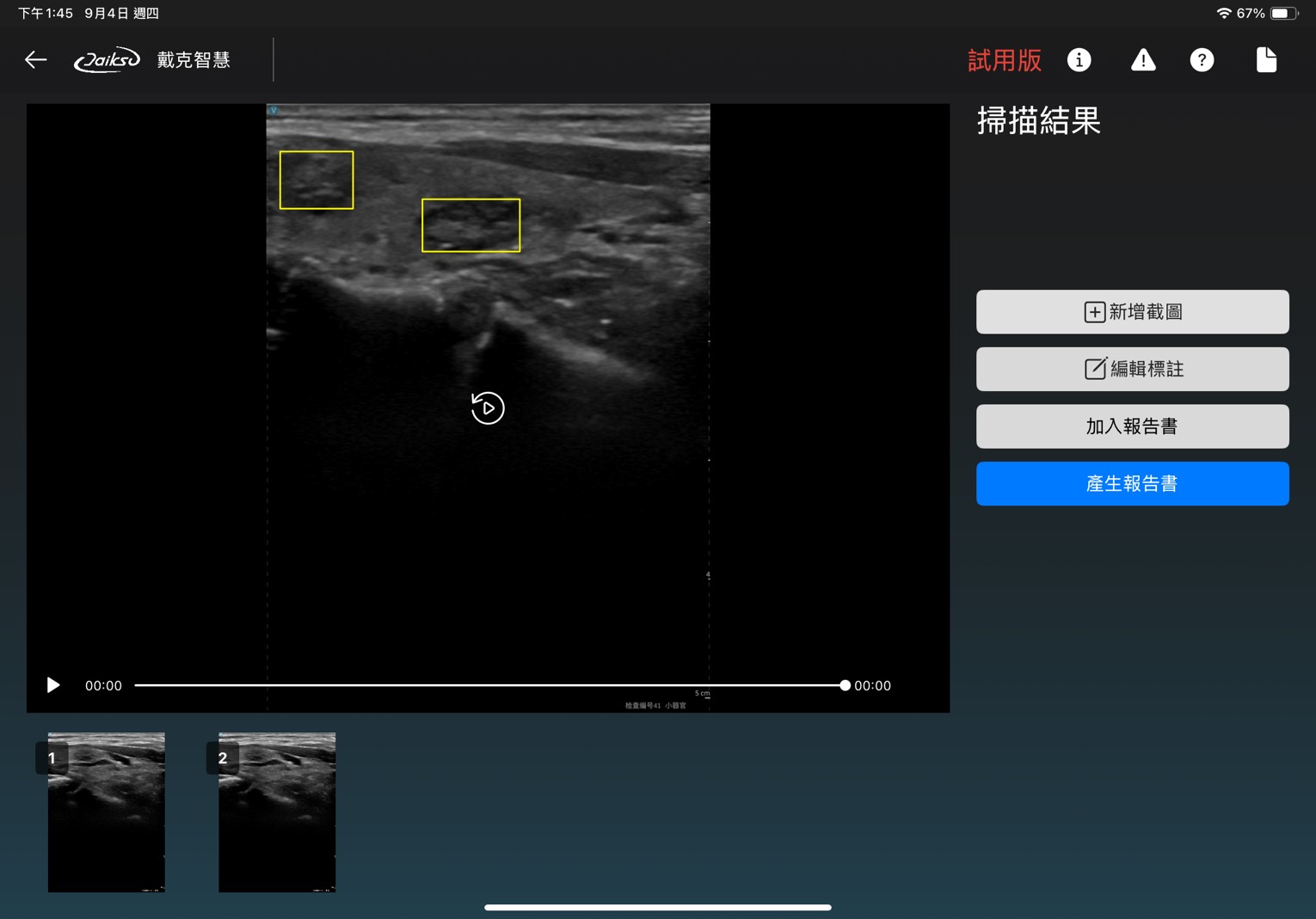
In addition, TVGH showcased its fourth-generation Da Vinci surgical systems, introduced in 2009 and 2016. The hospital’s pancreatic surgery team has earned multiple international accolades for its use of the Da Vinci system. The pathology department has also partnered with the tech industry to develop AI-assisted diagnostic tools that improve the accuracy of detecting lymph node metastases in lung cancer. These tools are now being applied in clinical settings, enabling pathologists to make quicker and more precise diagnoses, thereby enhancing medical efficiency.
In liver cancer treatment, TVGH has established a comprehensive multidisciplinary treatment database and high-accuracy AI diagnostic models to help doctors formulate optimal treatment strategies. The hospital, in collaboration with National Yang Ming Chiao Tung University, has developed the "HFS-Net" liver cancer CT image recognition model and several predictive models to improve diagnostic precision and efficiency. These efforts have been recognized with the National Innovation Award.
Meanwhile, TVGH’s cardiology department has advanced wearable smart devices and non-contact physiological monitoring technologies. By integrating 5G networks with remote health management systems, these innovations enable real-time tracking of patients' health data and provide personalized health management solutions.
Resource: 醫療科技展 北榮展示硼中子捕獲治療成果 2027年啟用