The Taiwan Healthcare Expo 2024, the largest healthcare exhibition in the Asia-Pacific region, is being held at the Taipei Nangang Exhibition Center from December 5 to December 8. Intel is showcasing a diverse range of smart healthcare applications at the expo, highlighting its robust expertise in this field. The company is leveraging the latest AI technologies to drive digital transformation in the medical sector.
Intel's booth, located on the 4th floor of Hall 1 at Nangang Exhibition Center (M820), focuses on four major themes, exploring how AI can enable smart healthcare solutions through cloud-to-edge deployments.
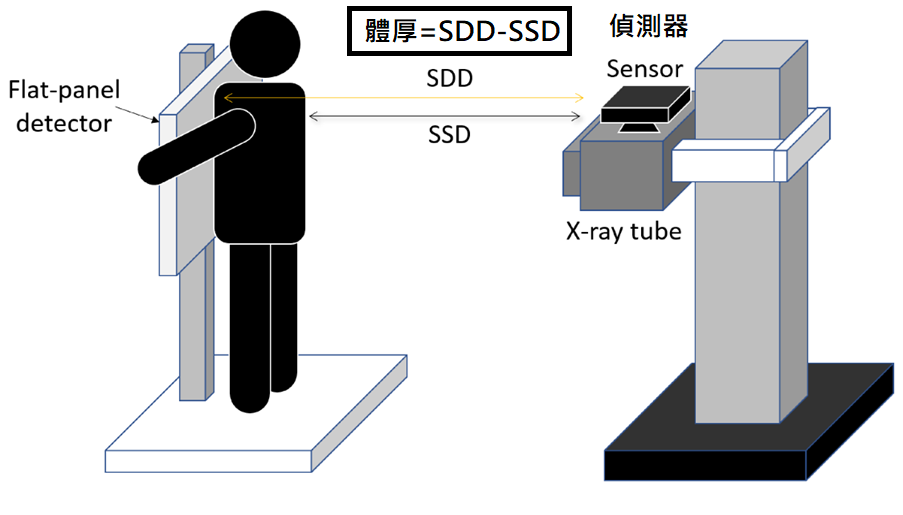
In the realm of life sciences, Biomedica is demonstrating its AI-powered osteoporosis screening solution, which integrates Intel Xeon processors and OpenVINO technology. This system uses advanced image processing to rapidly convert medical images into analyzable data, delivering accurate results within six seconds to aid physicians in assessing osteoporosis risks. Additionally, Biomedica showcases its AI-enhanced NGS (next-generation sequencing) laboratory, designed to accelerate cancer gene testing. By combining AI with HPE’s high-performance servers, it enhances genetic analysis accuracy and supports personalized treatment strategies.
In the pathology domain, Qmed, in collaboration with Vidanex and JelloX, is presenting an AI-driven digital pathology solution. This system uses Intel’s Open Federated Learning platform to enable cross-regional collaboration and employs Gaudi AI accelerators to enhance diagnostic efficiency, propelling the digital transformation of pathology.
JelloX features its innovative 3D digital pathology AI system built on the AI-driven MetaLite platform powered by Intel Xeon processors. This solution delivers high-resolution 3D pathology images, boosting cancer diagnostic accuracy and offering patients more precise treatment options.
In smart hospital solutions, Onyx is showcasing advancements in medical AI and IoT-enabled care solutions. Its digital health and AI-based diagnostic technologies improve healthcare efficiency and patient outcomes.
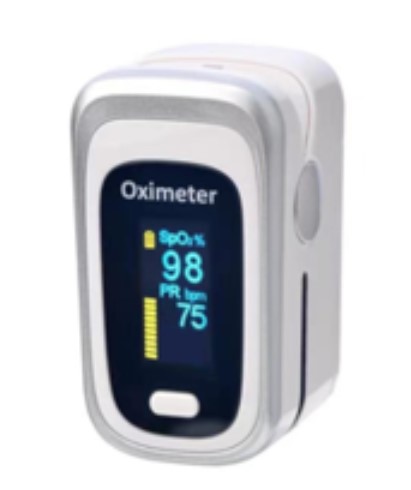
StreamTeck has unveiled its SmartCaring T60, a non-contact vital signs monitoring solution. This system employs millimeter-wave radar and thermal imaging to continuously monitor vital signs like heart rate, respiratory rate, and temperature. Using AI, it reconstructs ECGs, predicts blood pressure, and recognizes posture, enabling efficient patient monitoring without physical contact.
ASUS is presenting its ESC I8-E11 7U AI server, equipped with Intel Xeon Scalable processors and Gaudi 3 AI accelerators. Designed for AI training and inference, this server provides exceptional bandwidth and supports rapid deployment of medical AI applications.
In the 5G cloud AI domain, Intel has partnered with FarEasTone, MiFi Biotech, and other collaborators to launch an AI-assisted fatty liver screening technology. This system integrates telemedicine platforms with ultrasound imaging, using the Intel OpenFL platform to deliver accurate and accessible NAFLD screenings in remote areas, improving healthcare quality and efficiency.
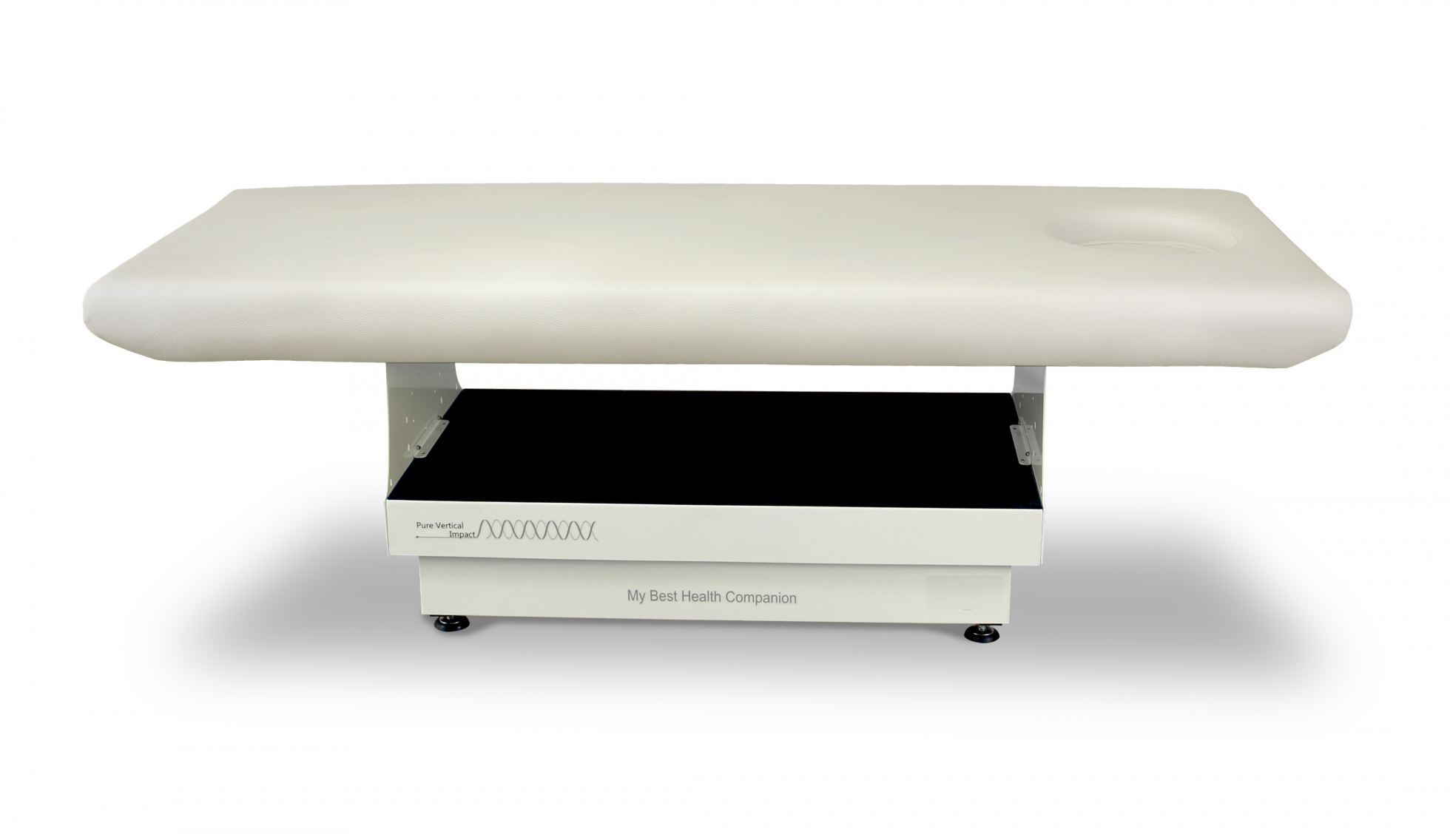
Netown is showcasing its iBot Smart Muscle Evaluation Station, powered by Intel Core Ultra processors and OpenVINO technology. This system offers comprehensive muscle assessments, automatically records and analyzes fitness data, and supports personalized training programs with advanced security features to safeguard user privacy.
Acer Medical is exhibiting AI-assisted diagnostic software based on Intel OpenVINO technology, capable of screening for diabetic retinopathy, age-related macular degeneration, and bone density abnormalities. This software enhances diagnostic accuracy and enables timely medical intervention.
BrainNavi introduces NaoTrac, the first autonomous neurosurgical navigation robot. This robot combines machine vision, robotics, and AI to simplify surgical workflows and enhance precision, enabling highly accurate minimally invasive surgeries across various neurosurgical applications.
GIGABYTE, in collaboration with MyelinTek, is showcasing the GIGABYTE G893-SG1, an 8-GPU server designed for pathology analysis and diagnostic imaging. Equipped with Intel Xeon processors and Gaudi 3 AI accelerators, this server’s powerful parallel computing capabilities significantly improve diagnostic accuracy and efficiency, driving advancements in smart healthcare.
Resource: 英特爾參展台灣醫療科技展 聚焦4大主軸展現智慧醫療硬實力