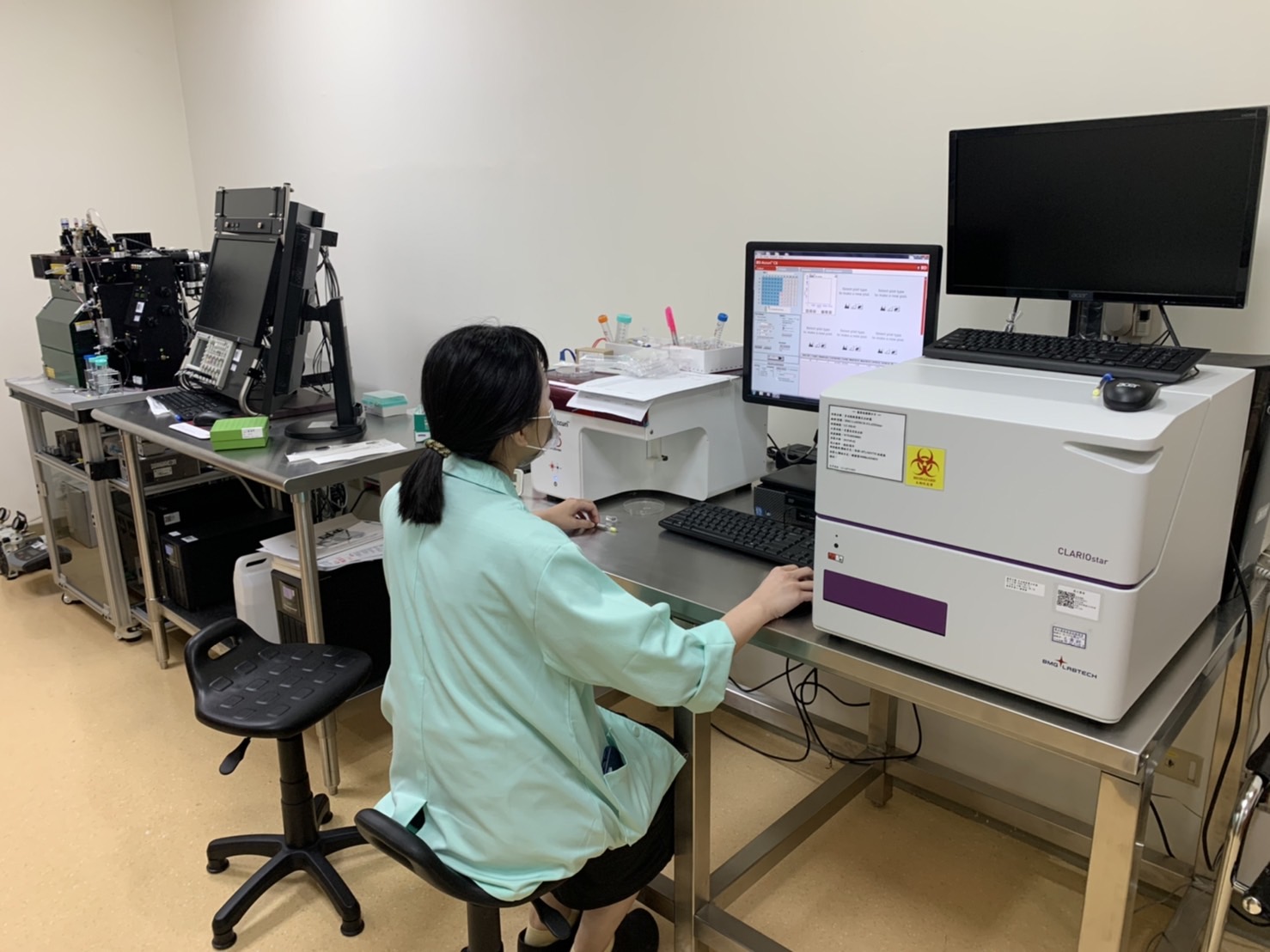
There are over 25 million people worldwide suffering from pulmonary hypertension (PH), a condition that is difficult to diagnose in its early stages, significantly impacting patient survival rates. A team led by Professor Hu Yu-Feng at Taipei Veterans General Hospital has developed an "AI Pulmonary Hypertension Detection System," which uses artificial intelligence (AI) to analyze electrocardiograms (ECG) and significantly improve the early detection of pulmonary hypertension.
The system utilizes a convolutional neural network (CNN) to automatically extract key features from ECGs. It has undergone international validation at Taipei Veterans General Hospital, Taichung Veterans General Hospital, National Cheng Kung University Hospital, and multiple hospitals in Japan. The system boasts an accuracy rate of 92%, significantly surpassing the diagnostic accuracy of traditional physician interpretation of ECGs. More importantly, it can predict a patient’s future cardiovascular mortality risk, allowing for early intervention and treatment.
Previously, diagnosing pulmonary hypertension often required invasive procedures such as cardiac catheterization. The current standard for PH diagnosis primarily relies on echocardiography, which demands long-term specialized training for operation, professional expertise for interpretation, and costly equipment, often priced in the millions. The test itself takes 20-30 minutes, and results can take one to two weeks. As a result, it is typically used only for patients with significant symptoms and is not suitable as a primary screening tool.
The introduction of the AI Pulmonary Hypertension Detection System has dramatically increased the efficiency and accuracy of ECG interpretation. Already successfully deployed in clinical settings, the system can process over 400 ECGs daily and supports remote operations, enabling cross-border ECG analysis.
Beyond its clinical diagnostic applications, the system has strong potential in health checkups and population screening. As public interest in health continues to rise, the demand for routine health checkups has surged. The AI detection system could serve as an efficient and cost-effective screening tool to identify potential health risks early on.
According to market research reports, the global market for pulmonary hypertension diagnostics is vast and growing annually. With an aging population and lifestyle changes contributing to the rising incidence of PH, the launch of this detection system is expected to significantly drive market development.
Professor Hu Yu-Feng stated that the system not only enhances the early detection of pulmonary hypertension but also reduces healthcare costs and improves patients' quality of life. Moving forward, the team plans to continue refining the system’s features and actively promoting its clinical use, bringing greater benefits to patients with pulmonary hypertension worldwide.
Professor Hu emphasized the enormous market potential of the system, which could be widely implemented in hospitals, clinics, and health examination centers. The team has partnered with Taiwan Medical Imaging Co., Ltd. to commercialize the system and is actively pursuing relevant certifications. By leveraging large datasets for analysis, the system will also provide personalized health management services.
Resource (mandarin): 取代昂貴心臟超音波!AI分析心電圖精確揪出早期肺高壓