Taiwan's health initiative is about to take a significant leap forward with the launch of the "Hospital-Based Family Medicine Plan" in August, aimed at managing chronic diseases and integrating AI for disease prediction. This move is part of President Lai Ching-te's "888 Plan" for preventing and controlling hypertension, hyperlipidemia, and hyperglycemia (the "three highs").
Hospital-Based Family Medicine Plan to Launch in August
Liu Lin-yi, head of the Health Insurance Administration's Medical Management Division, explained that approximately 5.34 million people in Taiwan suffer from the three highs, with an annual healthcare cost of at least NT$52 billion. Of these patients, around 3.01 million (56%) are already under the care of family medicine programs or chronic disease management plans. There are 700,000 patients enrolled in both programs, and they will prioritize chronic disease management over family medicine. Physicians will be required to enhance their skills in chronic disease care if they continue under the family medicine program.
For the 2.33 million patients not yet managed by these programs, those visiting clinics will be assigned to family medicine doctors for follow-up care. Those who frequently visit hospitals will be included in the hospital-based family medicine plan, managed by regional hospitals to provide chronic disease management and preventive health services. This year, funding for this initiative will come from the NT$500 million allocated for the Holistic Community Care Plan, with additional funding requirements to be determined.
For instance, out of the 2 million diabetic patients, approximately 1.1 million receive hospital care, but 505,000 are not under any management plan. Among them, 136,000 patients in regional hospitals will be included in the hospital-based family medicine plan.
The plan will be further discussed in today's hospital budget consultation meeting and, if approved, will be proposed at the July meeting for Medical Service Payment Standards, with an expected launch in August.
Upgrading to Family Medicine 2.0
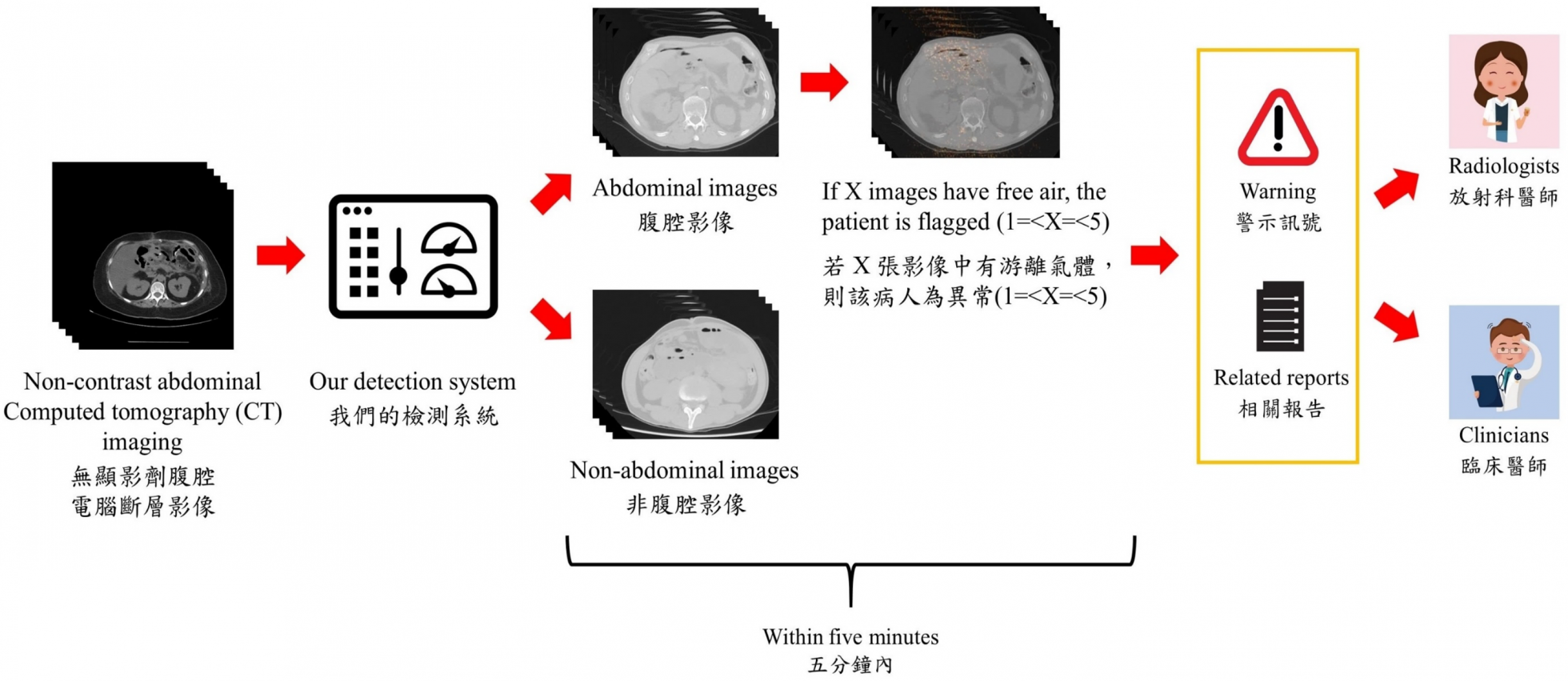
This year, the Health Insurance Administration is upgrading to Family Medicine 2.0, integrating and enhancing chronic disease care. By the end of the year, the administration plans to complete the establishment of a comprehensive family medicine platform. This platform will consolidate medical records, vaccination records, and physiological data from wearable devices and other platforms. The ultimate goal is to integrate AI for disease prediction, enabling timely prevention and treatment before diseases develop.
In response to the "888 Plan" for the three highs, Liu Lin-yi emphasized that controlling these conditions is closely related to lifestyle habits. The plan will incorporate counseling services on diet, physical activity, sleep quality, and stress management into family medicine. Medical teams will intervene to help patients change their lifestyles. The upgraded family medicine plan will provide additional integrated care fees for managing the three highs, with rewards for achieving specific benchmarks and penalties for poor performance. Last year, 5,590 clinics and 7,807 doctors participated in the family medicine plan, managing nearly six million patients.
Liu Lin-yi also mentioned that the current payment for managing the same disease is standardized, but diabetes care, for example, varies in severity. They are collaborating with medical societies to develop a formula to adjust payments based on the severity of the condition.
Platform Integration by Year-End
Liu Lin-yi noted that patient data is currently dispersed across the Health Insurance Administration, the Centers for Disease Control, and the National Health Agency. This year, a budget of over NT$30 million will be allocated to integrate these data into a comprehensive family medicine platform, expected to go live by year-end. This will allow family doctors to have better access to patient information. The ultimate goal is to link physiological data from personal wearable devices, like smartwatches, and integrate AI to predict disease occurrence, facilitating early prevention and treatment.
Resource (mandarin)