Introduction
What are DHEA and DHEAS?
●Dehydroepiandrosterone(DHEA):
A major steroid hormone precursor secreted by the adrenal cortex. It can be converted into androgens and estrogens.
●Dehydroepiandrosterone sulfate(DHEAS):
The primary circulating form of DHEA, characterized by a longer half-life, and one of the most abundant steroids in the human body.
DHEA and DHEAS play essential roles in endocrine metabolism, and their concentration changes are closely associated with various physiological and pathological states.
Why Measure DHEA & DHEAS?
●Endocrine Function Assessment
DHEA(S)serves as a key biomarker of adrenal function. Abnormal levels may indicate adrenal tumors or congenital adrenal hyperplasia(CAH).
●Sex Hormone Balance Studies
As precursors of sex hormones, changes in DHEA(S) levels are linked to polycystic ovary syndrome (PCOS), infertility, and disorders of pubertal development.
●Aging and Health Monitoring
DHEA(S) levels decline with age and are widely studied in relation to aging and chronic diseases.
●Disease Associations
Abnormal DHEA(S) concentrations are associated with metabolic syndrome, cardiovascular diseases, osteoporosis, and immune dysfunction.
Features / strengths
1.High Sensitivity & Specificity
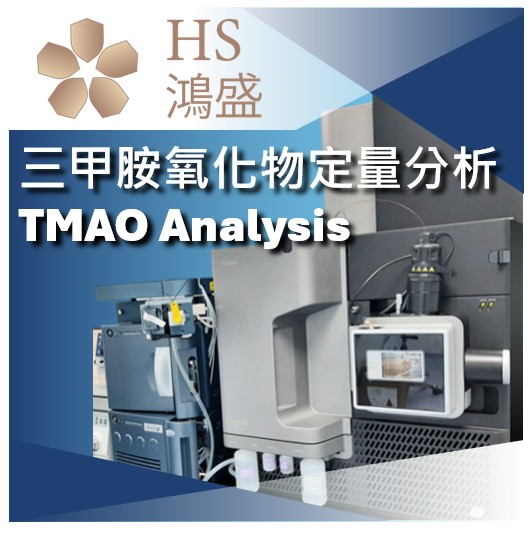
Utilizes Liquid Chromatography-Tandem Mass Spectrometry (LC-MS/MS), offering high sensitivity and specificity.
2.Comprehensive Metabolic Profiling
Capable of simultaneously detecting multiple steroid hormones (Steroid Profiling), providing comprehensive endocrine metabolism information.
3.Wide Sample Compatibility
Applicable to various sample types, including serum, plasma, and urine.
4.Customized Data Solutions
Provides precise data required for clinical research and drug development, meeting the needs of both academic studies and clinical applications.
Specification in detail
DHEA/DHEAs analysis
Analytical Test Report