Login/Register
Introduction
What is TMAO?
Trimethylamine N-oxide (TMAO) is a small-molecule metabolite produced when the gut microbiota metabolizes choline, carnitine, and other nitrogen-containing compounds, followed by conversion in the liver. Recent studies have revealed strong associations between TMAO and cardiovascular disease, chronic kidney disease, diabetes, cancer, and gut health. It has emerged as an important biomarker in metabolic diseases and clinical nutrition research.

Why Test for TMAO?
●Disease Risk Assessment
TMAO concentration in plasma or urine correlates positively with the risk of cardiovascular events, serving as an early warning indicator.
●Gut Microbiota Research
TMAO levels reflect the interaction between gut microbiota and host metabolism, offering insights into the role of the microbiome in disease development.
●Drug and Nutritional Intervention Evaluation
Monitoring TMAO can help evaluate the metabolic impact of lipid-lowering drugs, probiotics, and functional foods.
●Clinical Research and Translational Medicine
As a potential diagnostic and prognostic biomarker, TMAO measurement is increasingly incorporated into clinical study designs.
Features / strengths
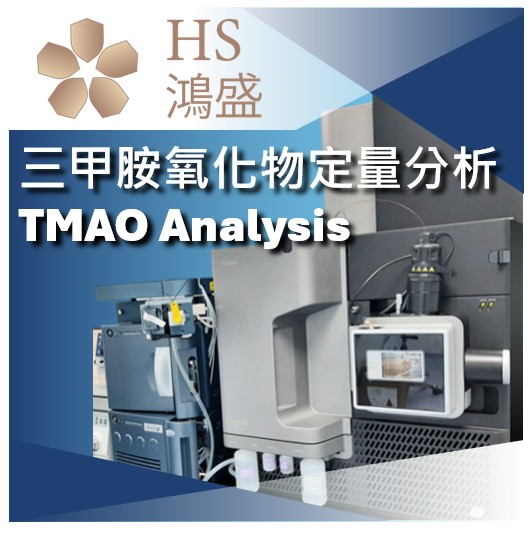
1.Using liquid chromatography–tandem mass spectrometry (LC-MS/MS), we provide accurate and highly sensitive quantification of TMAO.
2.In addition to TMAO, we can simultaneously measure its precursors (such as choline, carnitine, and betaine), enabling a more complete understanding of metabolic pathways.
3.Applicable to serum, plasma, urine, and tissue samples, offering flexibility for different research and clinical needs.
4.All analyses are conducted by an experienced analytical team, ensuring precise, reproducible data to support both academic research and clinical applications.
Specification in detail
TMAO analysis
Analytical Test Report

Information
Introduction
What is TMAO?
Trimethylamine N-oxide (TMAO) is a small-molecule metabolite produced when the gut microbiota metabolizes choline, carnitine, and other nitrogen-containing compounds, followed by conversion in the liver. Recent studies have revealed strong associations between TMAO and cardiovascular disease, chronic kidney disease, diabetes, cancer, and gut health. It has emerged as an important biomarker in metabolic diseases and clinical nutrition research.

Why Test for TMAO?
●Disease Risk Assessment
TMAO concentration in plasma or urine correlates positively with the risk of cardiovascular events, serving as an early warning indicator.
●Gut Microbiota Research
TMAO levels reflect the interaction between gut microbiota and host metabolism, offering insights into the role of the microbiome in disease development.
●Drug and Nutritional Intervention Evaluation
Monitoring TMAO can help evaluate the metabolic impact of lipid-lowering drugs, probiotics, and functional foods.
●Clinical Research and Translational Medicine
As a potential diagnostic and prognostic biomarker, TMAO measurement is increasingly incorporated into clinical study designs.
Features / strengths
1.Using liquid chromatography–tandem mass spectrometry (LC-MS/MS), we provide accurate and highly sensitive quantification of TMAO.
2.In addition to TMAO, we can simultaneously measure its precursors (such as choline, carnitine, and betaine), enabling a more complete understanding of metabolic pathways.
3.Applicable to serum, plasma, urine, and tissue samples, offering flexibility for different research and clinical needs.
4.All analyses are conducted by an experienced analytical team, ensuring precise, reproducible data to support both academic research and clinical applications.
Specification in detail
TMAO analysis
Analytical Test Report

Feature

TMAO analysis

Taiwan
HONG SHENG PRECISION BIOTECH CO., LTD. Other products
Recommended