With President Trump’s tariff policy affecting multiple industries, Minister of Economic Affairs Kuo Jyh-huei stated on May 9 that the impact of U.S. tariffs on Taiwan’s biomedical industry is expected to be limited. Among pharmaceuticals, finished drug products may be more significantly affected, while in the medical device sector, although a proposed 32% tariff has been temporarily postponed for 90 days, higher tariffs would increase production costs and reduce the competitiveness of domestic manufacturers. However, Kuo also noted that the probability of the U.S. granting tariff exemptions to democratic countries is likely to be high.
Kuo made these remarks during his keynote speech at the “2025 Anniversary of the Institute for Biotechnology and Medicine Industry (IBMI),” titled “Taiwan’s Industrial Policy and Biotech Development Under New U.S. Tariff Regimes.”
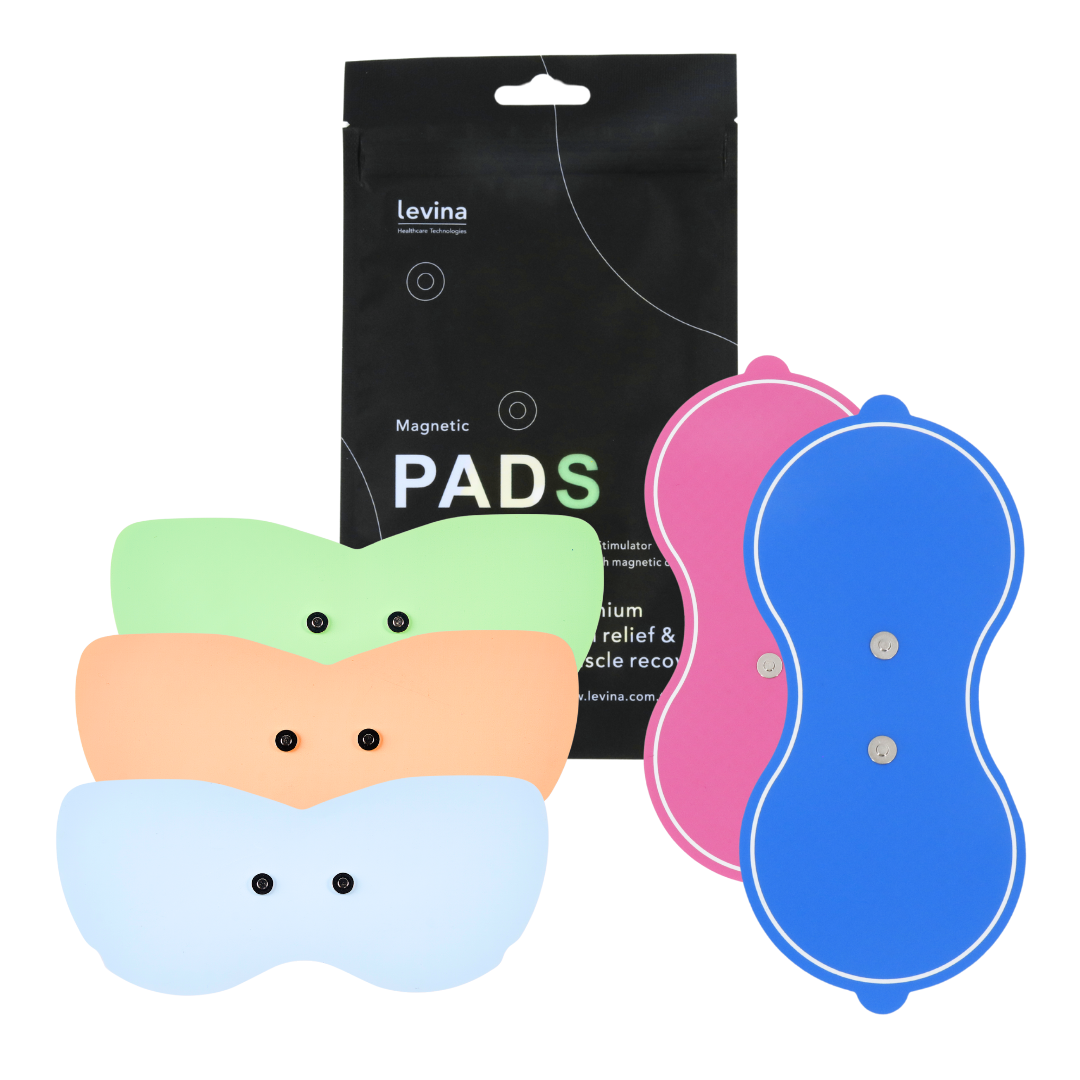
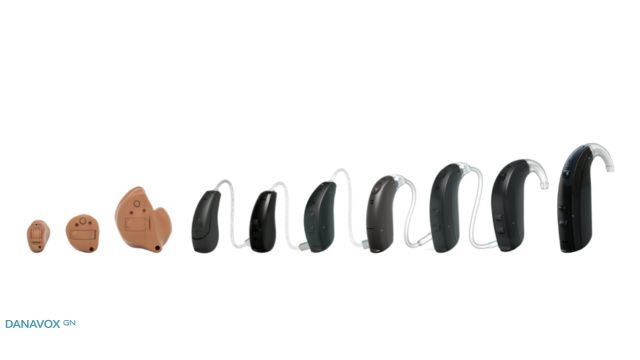
According to Kuo, in 2024 Taiwan exported approximately USD 1 billion (NT$33.2 billion) worth of pharmaceuticals and medical products to the U.S., accounting for 30% of the total exports in this category, with medical devices making up 21% and pharmaceuticals 9%. While pharmaceuticals are currently on a temporarily exempt list, most of Taiwan’s drug exports are generic drugs—priced low and highly competitive—with only a few manufacturers having production bases in the U.S., making it difficult to relocate manufacturing to offset the impact of tariffs. As for medical devices, the proposed 32% tariff by the Trump administration is currently under a 90-day delay period, during which a 10% tariff is in effect.
Kuo added that based on the recent agreement between the U.S. and the U.K., where the U.S. imposed only a 10% reciprocal tariff, it can be inferred that the U.S. tends to be lenient with its close allies. “Given Taiwan’s strong relationship with the U.S., and judging by the trajectory of past U.S. policy, the impact of U.S. tariffs on Taiwan will not be substantial or severe,” he said.
Kuo emphasized that for businesses to achieve sustainable growth, they must view the world as their market. Taiwan’s biomedical industry should also adopt a global perspective—“With a global population of 8 billion, the entire world is our potential market.” Beyond promoting industrial transformation, enhancing technological value, and expanding into emerging markets, Taiwan’s strategic response to entering the international market must also include “maintaining stability in the U.S. market.” He encouraged companies to conduct R&D in Taiwan, manufacture in the U.S., and consider mergers, acquisitions, or investments to strengthen their local supply chain presence.
He further outlined four major advantages of Taiwan’s biomedical industry: leading-edge technology, comprehensive medical data, alignment with international pharmaceutical regulations, and a well-established biomedical ecosystem.
Kuo also suggested that Taiwan’s biomedical industry can benefit from strategies such as “outside the territory but inside the border” and “inside the territory but outside the border,” using larger enterprises to drive smaller ones across the global supply chain. Additionally, he proposed diversified marketing of health-oriented cuisine to create a global trend, promoting Taiwan’s health food culture internationally. As part of this vision, he even suggested establishing an AI health screening center at Taoyuan International Airport.
Resource: 藥品、醫材將被美課高關稅?郭智輝部長:影響應不會很大