Since taking office, President William Lai has proposed the "Healthy Taiwan" vision to safeguard the physical and mental well-being of the nation. Two days ago, Premier Cho Jung-tai, accompanied by Minister without Portfolio Chen Shih-chung, Minister of Health and Welfare Chiu Tai-Yuan, and others, inspected the smart healthcare achievements of the Taipei Hospital under the Ministry of Health and Welfare. Premier Cho emphasized the government’s commitment to integrating AI into public applications and encouraging hospitals to undergo smart transformations as part of the Ministry's next-generation digital healthcare platform initiatives.
Premier Highlights AI Integration in Public Sector Applications
Premier Cho noted that with the advent of the AI era, the government is implementing AI equipment and smart innovative technologies across public and private sectors. These efforts aim to promote smart healthcare, AI-driven health services, precision medicine, and advanced diagnostic tools. The Ministry of Health and Welfare is actively advancing the next-generation digital healthcare platform project, which includes establishing a standardized electronic medical record system to effectively integrate and manage healthcare resources. The platform prioritizes democracy, human rights, and privacy in its database applications, enhancing the quality of Taiwan's healthcare services and fostering medical research and innovation.
Premier Cho further highlighted policies that integrate smart healthcare with health care services. These include incorporating next-generation gene sequencing tests into national health insurance coverage, establishing a Family Medicine Platform, piloting in-home acute care services, providing cloud-based transformation subsidies for primary care clinics, implementing virtual health insurance cards, and expanding the number of medical specialties offering teleconsultation services in specialist outpatient clinics. Through the "Healthy Taiwan Deepening Plan," the government is allocating sufficient annual budgets to optimize working conditions for medical professionals, train diverse talent, and drive the development of smart healthcare.
32 Digital Devices Deployed in Two Years
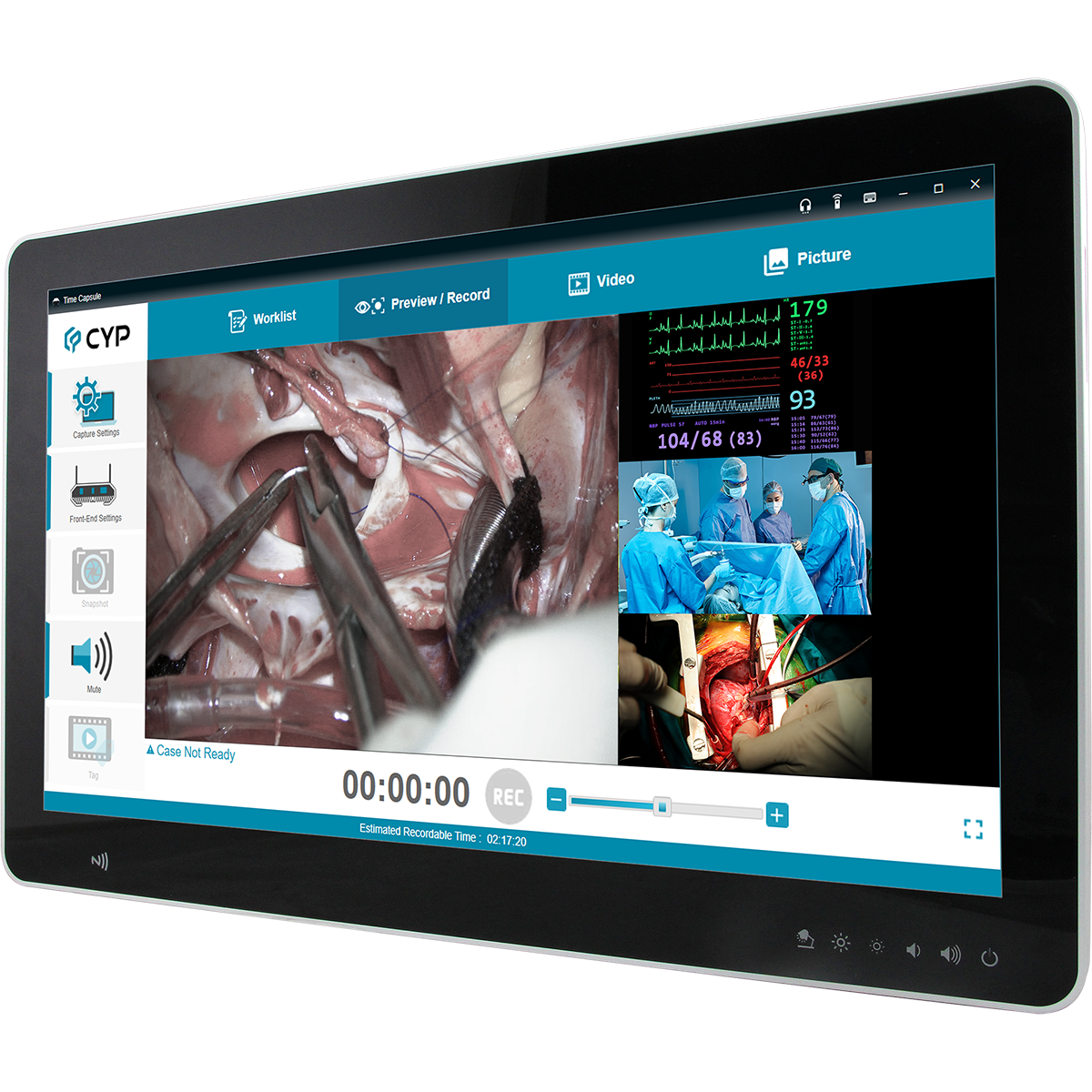
According to Shun-Ping Cheng, Director of Taipei Hospital, the hospital's digital transformation is patient-centered, significantly improving healthcare quality and efficiency while reducing the burden on medical staff. Over the past two years, the hospital has implemented 32 digital devices, including bedside digital cards, lightweight smart nursing systems, and smart medicine cabinets. The hospital is currently introducing ChatGPT-assisted nursing information systems and transitioning to paperless procurement processes, aligning with the nation's net-zero transition strategy.
New Acute and Critical Care Building to Be Completed by 2027
In addition, plans are underway to construct a new Acute and Critical Care Building behind Taipei Hospital. This facility, which broke ground last year, will include four underground levels and sixteen above-ground floors, with a total investment exceeding NT$6 billion, including medical equipment. The building will feature a central green park with abundant greenery and is expected to be completed by the end of 2027. Once operational, the hospital's total capacity will increase to 923 beds, with the addition of advanced medical equipment such as PET-CT scanners, hybrid operating rooms, and Da Vinci surgical systems, further strengthening the local healthcare network.
Resource: 台北醫院智慧醫療 數位轉型有成