Professor Mai-Szu Wu, President of Taipei Medical University and the head of Shuang-Ho Hospital, has led a team to develop a patient-centered integrated information system. This system can automatically identify acute kidney injury (AKI) and provide follow-up monitoring and care recommendations. It aids in the early detection of kidney function abnormalities and offers timely, personalized medical care.
Addressing Gaps in Kidney Disease Care: Early Detection and Intervention Are Key
Taiwan has the highest incidence and prevalence rates of end-stage kidney disease in the world, placing a heavy burden on the nation’s healthcare system. Current kidney care models rely on patients seeking medical attention, but many only do so when kidney function has already deteriorated significantly, missing the critical window for early intervention. Additionally, traditional care models lack systematic follow-up and management, limiting their ability to prevent disease progression and offer continuous, comprehensive care.
From Prevention to Management: Enhancing Kidney Care
This smart medical system integrates three key components: the Acute Kidney Injury Electronic Alert System, the Acute Kidney Disease Tracking System, and the Chronic Kidney Disease Map System. Together, they offer comprehensive monitoring and care for kidney disease patients.
Acute Kidney Injury Electronic Alert System: Using algorithm-based analysis, this system automatically identifies patients at various stages of acute kidney injury. Once diagnosed, it issues electronic alerts, provides bundled care recommendations, and triggers a series of automated actions such as pre-configured diagnostic tests. The system displays a kidney icon in the hospital's medical order system, allowing healthcare providers to access detailed patient information and bundled care suggestions with a single click.
Acute Kidney Disease Tracking System: For patients already diagnosed with acute kidney injury, this system continuously monitors kidney function, automatically determining the stage of the disease. If the patient progresses to the stage of acute kidney disease, a second alert is issued, and a consultation system is activated. The medical team can also use a web-based case management tracking platform to review the patient's kidney history, providing more comprehensive care.
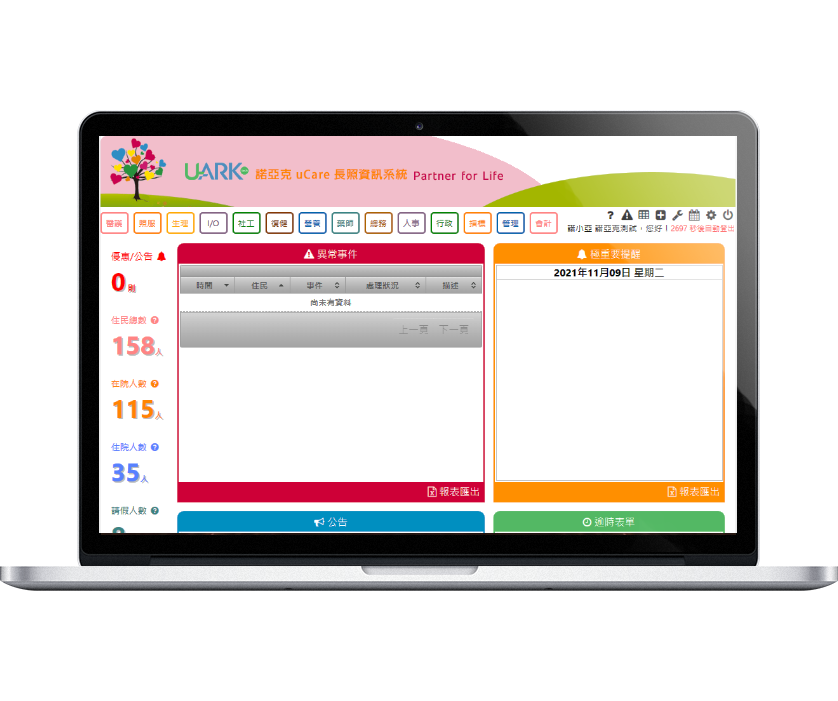
Chronic Kidney Disease Map System: This system compiles a list of hospitalized patients with abnormal kidney function and displays it on a dashboard interface. The medical team can quickly assess patient distribution and condition, with the list automatically updated every 10 minutes. Detailed patient reports, including lab results and comorbid conditions, can be exported at any time, facilitating medical team assessments and interventions.
Slowing Kidney Disease Progression and Easing the Healthcare System Burden
Professor Wu emphasized that this all-in-one smart medical system, through early warning, proactive intervention, and personalized care, can effectively slow the progression of kidney disease and improve patient quality of life. Looking ahead, the team plans to develop AI models to predict the progression of kidney disease, aiming to identify precise treatments that prevent the onset of dialysis and disease worsening, ultimately reducing the burden on Taiwan's healthcare system.
Resource (mandarin): 三合一數位整合照護系統 全方位打「腎」戰