The first Healthy Ageing Tech Show is being held at the Taipei World Trade Center Hall 1 from August 2 to 4. Taipei Veterans General Hospital (TVGH), along with Taichung Veterans General Hospital, Kaohsiung Veterans General Hospital, Gandau Hospital, and Daoxiang Day Care Center, are participating in the exhibition. TVGH is presenting its "Golden Triangle" service model, emphasizing intelligent and integrated services across medical care, home care, and long-term care.
President Lai Ching-te visited the exhibition, accompanied by Veterans Affairs Council Chairman Yien De-fa and Minister of Health and Welfare Chiu Tai-Yuan. During his visit, TVGH Superintendent Chen Wei-Ming provided an overview of the hospital's initiatives, which garnered significant interest from the President. The TVGH exhibition includes various units such as the Medical AI Development Center, Health Management Center, Geriatrics Center, and Youyi Day Care Center, featuring products like VR assistive devices, naked-eye suspended prosthetics, home blood pressure monitors, sleep quality monitors, and cognitive function tests for public experience.
This inaugural Healthy Ageing Tech Show aims to achieve three major goals:
The event organizer invited Gandau Hospital Superintendent Liang-Kung Chen to help plan the "Ageing Technology Living Experience Hall" with 45 exhibition booths. Collaborating with institutions and companies such as NYCU, ASUS Cloud, Acer Medical, Laurel, Abbott, and Taiwan Shin Kong Security, the hall provides practical health applications for the elderly.
TVGH and NYCU have developed an Interprofessional Collaborative Practice (IPCP) platform software, enabling real-time communication and automatic care record-keeping, centered around patient care. This platform integrates medical, nursing, nutrition, and rehabilitation teams, offering real-time communication and feedback, facilitating patient data tracking, and generating tailored care plans to reduce rehospitalization rates and improve health outcomes.
Taichung Veterans General Hospital showcases a home rehabilitation and lung function monitoring system for respiratory diseases. This wearable system offers three effective home rehabilitation exercises and monitors lung function, aiding in the rehabilitation of patients with chronic obstructive pulmonary disease (COPD). It also provides comprehensive rehabilitation services for patients in remote areas, those with disease or functional limitations, and those who cannot visit outpatient rehabilitation clinics, promoting a family-centered rehabilitation model.
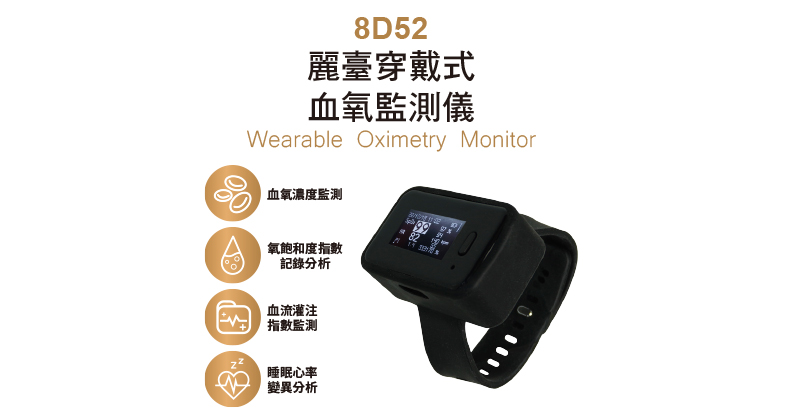
Additionally, Taichung Veterans General Hospital presents a home remote physiological monitoring and care service. The equipment rental package includes a press-type ECG monitor, blood pressure meter, glucometer, oximeter, thermometer, and tablet. Users can monitor their health at home, upload data via the internet, and receive comprehensive physiological data analysis through a backend AI system in real-time.
Kaohsiung Veterans General Hospital offers an innovative home cognitive function assessment, establishing an interactive LINE-based cognitive function testing system. This system aims to be used for home assessments to detect cognitive decline early for timely diagnosis and treatment. They also introduce the Chatbot Diesel, an AI-powered interactive companion that engages in daily interactions and cognitive training, enhancing the quality of life and aiding in early detection of cognitive decline.
Gandau Hospital presents smart wards, companion robots, mirror therapy hands, and exoskeleton robots. The smart wards feature electronic bedside cards and electronic whiteboards, displaying patient information and care needs, integrating inpatient information management to improve work efficiency and care quality. Partnering with ASUS, Gandau Hospital launched the "Zenbo Junior II" health companion robot, designed to offer intelligent companionship and humanized care for the elderly. This robot connects health data to the iHARP health management platform for comprehensive remote care.
Mirror therapy hands and exoskeleton robots simulate healthy limb movements to stimulate the affected limbs of stroke patients, encouraging similar movements in the impaired limbs. The exoskeleton robots assist stroke patients with weakened legs, enhancing mobility with a lightweight, wearable design, combining human and machine to help achieve various actions.
Resource (mandarin): 首屆高齡健康產業博覽會 北榮展示金三角服務模式