The visit of NVIDIA founder Jensen Huang and his team to Taiwan has garnered significant attention. NTU Hospital announced that on June 5, its president, Wu Ming-hsien, and the medical team met with Kimberly Powell, Vice President of NVIDIA's Global Healthcare Division, and her team to discuss collaborations in neurosurgery and imaging medicine using artificial intelligence (AI). NTU Hospital has been using NVIDIA supercomputers since 2020 and plans to deepen its collaboration to develop AI imaging diagnostic tools for abdominal organs and diseases.
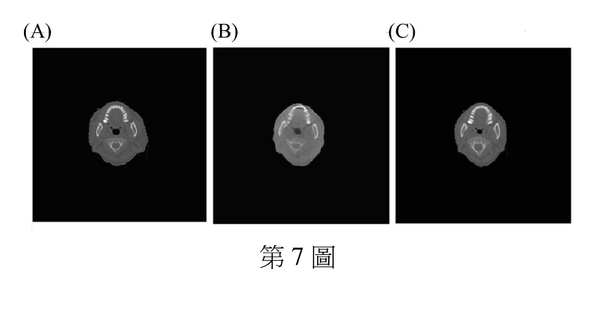
Pancreatic cancer is one of the deadliest cancers, with early-stage tumors often undetectable on CT scans. Nearly 40% of pancreatic cancers smaller than 2 cm are difficult to detect on CT, leading to missed treatment opportunities. NTU Hospital’s AI-assisted pancreatic cancer detection tool improves early detection rates and has received approval from the Ministry of Health and Welfare as well as breakthrough device designation from the U.S. Food and Drug Administration (FDA).
The hospital intends to enhance its partnership with NVIDIA to develop AI imaging diagnostic tools for other abdominal organs and diseases, helping doctors identify early-stage conditions that are challenging to detect with the naked eye.
NTU Hospital’s Telemedicine Center is also developing generative AI to assist with remote medical diagnosis, treatment, and risk stratification. Following discussions with NVIDIA, three major collaboration areas were proposed: voice-assisted diagnosis, online medication consultation, and electronic medical record integration. These advancements aim to realize the "digital nurse" function, aiding in patient voice analysis, physiological parameter assessment, medication adjustment recommendations, and electronic medical record keeping. These innovations will benefit telemedicine and other clinical settings.
Additionally, NTU Hospital’s Health Management Center is collaborating with NVIDIA to create a large language model for generating medical text summaries. Using the NVIDIA MONAI platform, they are developing an AI system for automatic image selection and annotation, producing key image medical summaries. Blockchain technology ensures these records are portable and tamper-proof, aiding clinical decision-making.
Furthermore, NTU Hospital will collaborate with the Industrial Technology Research Institute (ITRI) and NVIDIA to develop the "VSRad (Visual Studio Rad)" system, supporting general artificial intelligence (GAI). This system simplifies radiology workflows by converting text into structured reports, linking text with image spaces, and automatically searching for related medical records, thereby enhancing the efficiency of radiologists.
Resource (mandarin):