Taiwan Bio Therapeutics unveiled its dual-engine strategy for 2024 at its annual general meeting on June 11, highlighting the parallel advancement of first-generation and next-generation cell therapies. Chairman Hsu-Sung Kuo announced significant progress in developing next-generation cell therapy products and international collaborations, stating that the company will accelerate its transformation this year, focusing on regulatory T cells (Tregs) as the core of its next-generation platform. CEO Cyrus Yang emphasized that while continuing to support Senectus in advancing Phase III trials and production of Chondrochymal, the company is also pushing forward enrollment for the Phase II trial of its anti-rejection candidate TRK-001, with plans to apply for RMAT (Regenerative Medicine Advanced Therapy) designation.
At the meeting, chaired by Kuo, shareholders approved the 2024 business report, financial statements, and deficit compensation plan. Other approved items included amendments to the Articles of Incorporation and a proposed private placement of up to 30 million new shares.
Thanks to steady growth in its Therapeutics Design and Manufacturing (TDM) services, Taiwan Bio Therapeutics posted record-high consolidated revenue of NT$105 million in 2024. In drug development, the company has focused on advancing mesenchymal stem cell (MSC) therapies through pivotal clinical trials and GMP pilot plant certification, alongside successful out-licensing deals. At the same time, it is rapidly pivoting toward next-generation therapies centered on Tregs, with plans for international expansion. However, due to increased R&D investment in clinical-stage projects, the company reported a loss of NT$4.81 per share last year.
Kuo acknowledged that while the financials reflected heavy R&D spending, the company made major strides in developing next-generation cell therapies and forming global partnerships. In 2024, Taiwan Bio Therapeutics will deepen its transformation, accelerate clinical enrollment of its lead candidate TRK-001, and launch a U.S. investment plan to build advanced manufacturing capabilities. The company has partnered with institutions such as Harvard University and the Mayo Clinic to jointly explore the U.S. market.
TRK-001 completed manufacturing process optimization last year and received FDA approval to include Taiwan as a clinical site. In 2024, TFDA also approved the Phase II trial. In collaboration with Harvard, the company has established a large-scale follicular regulatory T cell (Tfr) data bank and identified promising gene-editing targets, laying the groundwork for next-gen products.
In May, Taiwan Bio Therapeutics signed a letter of intent with the Mayo Clinic to co-develop an innovation park in Phoenix, focusing on next-generation manufacturing for cell therapies. This initiative will incorporate the company's proprietary FAST CGT short-process platform, supporting its vision of one-time, curative treatments that eliminate the need for daily medication.
CEO Cyrus Yang stated that the company's R&D focus has officially shifted to gene-edited regulatory T cell therapies, while MSC products will be deprioritized or out-licensed during the investment recovery phase.
Among these is Chondrochymal, a treatment for osteoarthritis, which has been licensed to Senectus in Singapore. With TFDA’s conditional Phase III approval, development and regulatory filings in Southeast Asia will now be handled by Senectus, including the costs of clinical trials. Taiwan Bio Therapeutics will supply clinical-grade doses at a fixed price, contributing to revenue once patient enrollment begins.
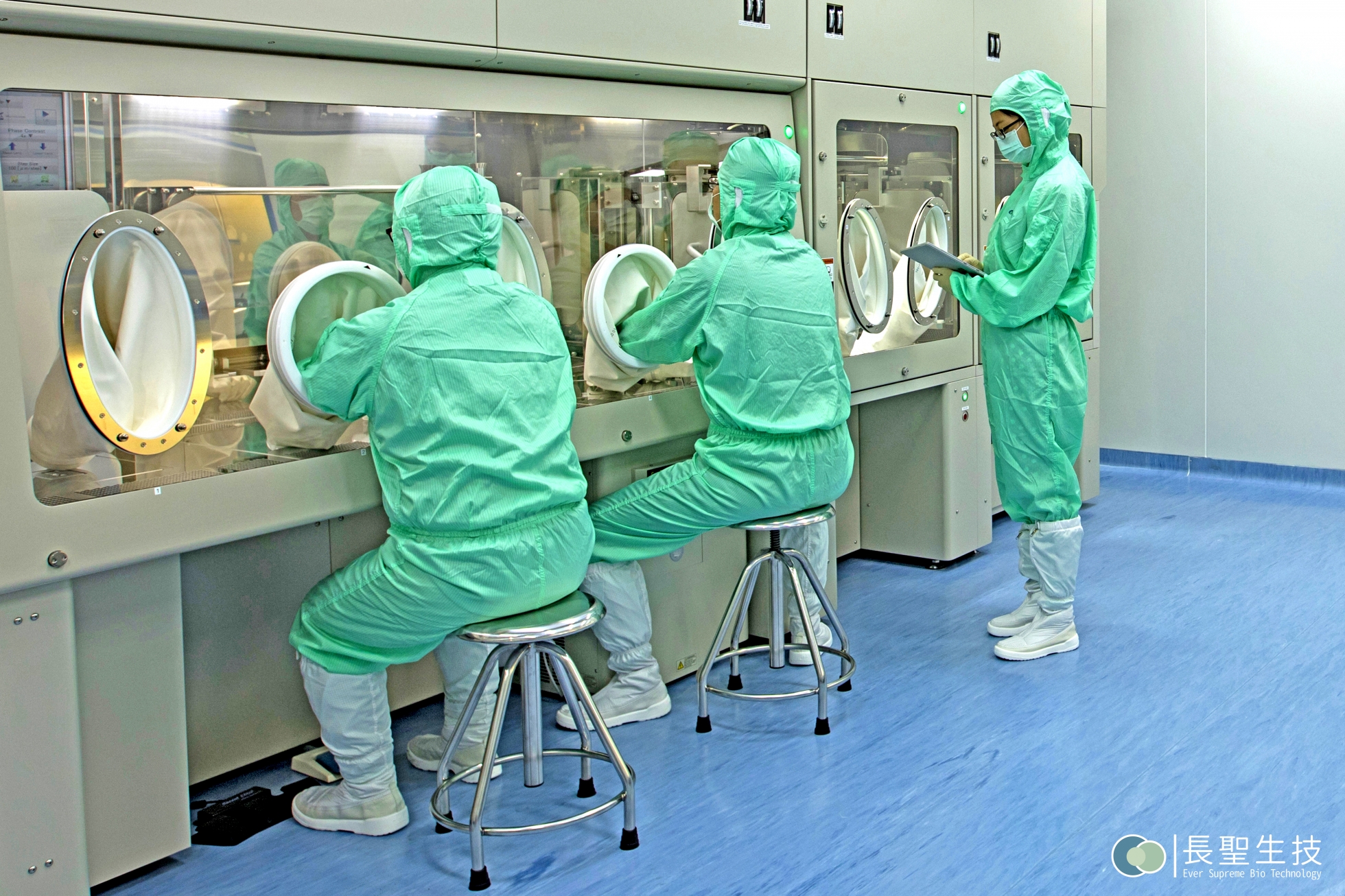
Looking ahead, Yang outlined two key initiatives for 2024: (1) adjusting the product portfolio and accelerating clinical enrollment, with an aim to obtain preliminary efficacy data for TRK-001 one year post-enrollment, while applying for RMAT designation to expedite market entry; and (2) expanding the TDM business model, which provides end-to-end “needle-to-needle” development for cell therapies, helping clients advance from preclinical to Phase I trials. This model has gained international recognition and has become a key driver of revenue growth.
Amid global geopolitical shifts and the reshoring of biomanufacturing to the U.S., Taiwan Bio Therapeutics has optimized its platform for automation and standardization, offering low tech-transfer thresholds, lower costs, shorter timelines, and greater efficiency. The company has already started receiving test orders from international clients, with enthusiastic responses. The TDM model is expected to be a critical force in entering the global CDMO market for cell therapies and driving another record-breaking year.
Resource: 台寶生醫今年營運雙主軸,首代、次世代細胞新藥雙管齊下