At its committee meeting on the 21st, the National Science and Technology Council (NSTC) proposed a draft plan for the development of next-generation communication technologies. The plan outlines a six-year investment of NT$27 billion to promote key applications, accelerate research and development, and strengthen the industrial ecosystem. In parallel, in collaboration with the Ministry of Agriculture, the NSTC will establish agricultural science parks totaling 600 hectares to drive agricultural transformation and sustainability. Additionally, Taiwan’s strengths in smart healthcare will be leveraged to accelerate the development and deployment of AI biomedical technologies, with long-term goals including the creation of the “brain” and core systems for medical robotics.
According to the NSTC, Taiwan’s telecommunications industry generated NT$1.28 trillion in output last year, while satellite communications reached NT$289.9 billion the year before. From space-based to ground-based systems—covering system integration, assembly, subsystems, and components—Taiwanese manufacturers have begun entering international supply chains. To reinforce Taiwan’s existing advantages and future competitiveness in the communications sector, the NSTC is working with the Ministry of Economic Affairs, Ministry of Digital Affairs, Ministry of Education, National Communications Commission, and Taiwan Space Agency on the draft development plan for next-generation communications technology. Starting this year and extending through 2030, the plan includes an investment of NT$27 billion to accelerate the industry’s strategic deployment.
The draft emphasizes the advancement of key application services, including the integrated development of diverse satellite services and the establishment of experimental networks to speed up R&D. It also highlights interdepartmental collaboration to strengthen the industrial ecosystem, including preparations for broadband satellite and B5G/6G NTN spectrum planning, regulatory adjustments, cybersecurity infrastructure, validation environments, and operational standards.
In addition, the committee announced a joint initiative between the NSTC and the Ministry of Agriculture to integrate agricultural science parks. These include the Pingtung Agricultural Biotechnology Park, the Tainan Orchid Biotechnology Park, and the Taoyuan Agricultural Logistics Processing Park, encompassing nearly 600 hectares in total. Smart agricultural technologies will be introduced, alongside the integration of R&D, talent cultivation, cold chain logistics, and customs clearance resources. The goal is to translate research into practical applications, help agribusinesses achieve net-zero goals, and elevate Taiwan’s agricultural sector onto the global stage.
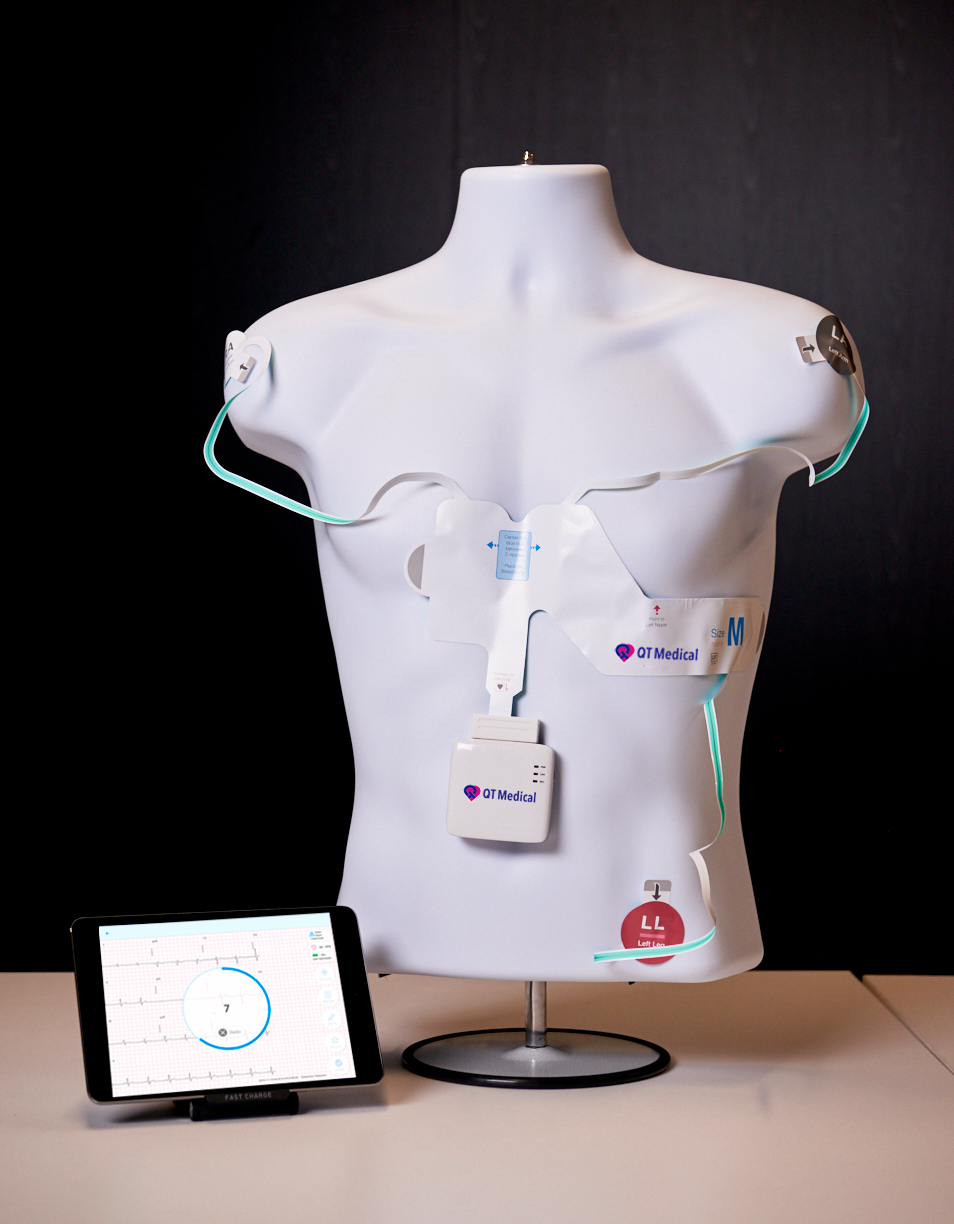
Smart healthcare is another area of strength for Taiwan. The NSTC reported its progress in promoting biomedical innovation and precision health, including the launch of two major initiatives: the “Cross-Domain Development and Value-Added Application of Clinical Databases and AI” and the “Taiwan Smart Healthcare Innovation and Value-Added Promotion Program.” These efforts aim to expand the development of integrated startup system modules, assist medical software in passing regulatory review in both Taiwan and the U.S., foster the emergence of AI-driven startups, and accelerate the commercialization and application of smart medical devices.
NSTC Minister Cheng-Wen Wu emphasized that in the face of an aging population, smart healthcare technologies are critical for improving patient care, reducing reliance on human labor, and increasing resilience in healthcare systems. Moving forward, the NSTC will continue to collaborate across ministries with the long-term objective of developing smart healthcare as the central brain and core of healthcare robotics, supporting the sustainable development of Taiwan’s medical system and enhancing the global competitiveness of its smart healthcare products.
Resource: 國科會6年270億推動次世代通訊、農科及智慧醫療 提升台灣競爭力