Advancing Early Detection of Liver Cancer Liver cancer remains the second leading cause of cancer-related deaths in Taiwan, with early detection playing a critical role in improving patient outcomes. However, traditional liver ultrasound examinations heavily rely on the expertise of operators, leading to variability in diagnostic accuracy. Addressing this challenge, the iGood Liver AI, developed under the leadership of Hsiao-Ching Nien, CEO of the Good Liver Foundation, introduces a groundbreaking AI-driven ultrasound imaging technology. This innovation significantly enhances the precision of liver tumor detection and aids healthcare professionals in assessing malignancy risk, marking a major advancement in early liver cancer diagnosis.
Clinical Validation and Real-Time Diagnostic Capabilities At the core of iGood Liver AI is the YOLOR deep learning model, which enables automatic identification of liver tumors and their malignancy risks without reliance on operator experience. Trained on approximately 4,600 annotated ultrasound images, the system can complete tumor analysis within seconds. Clinical trials have demonstrated a diagnostic accuracy improvement of 30% over conventional ultrasound methods.
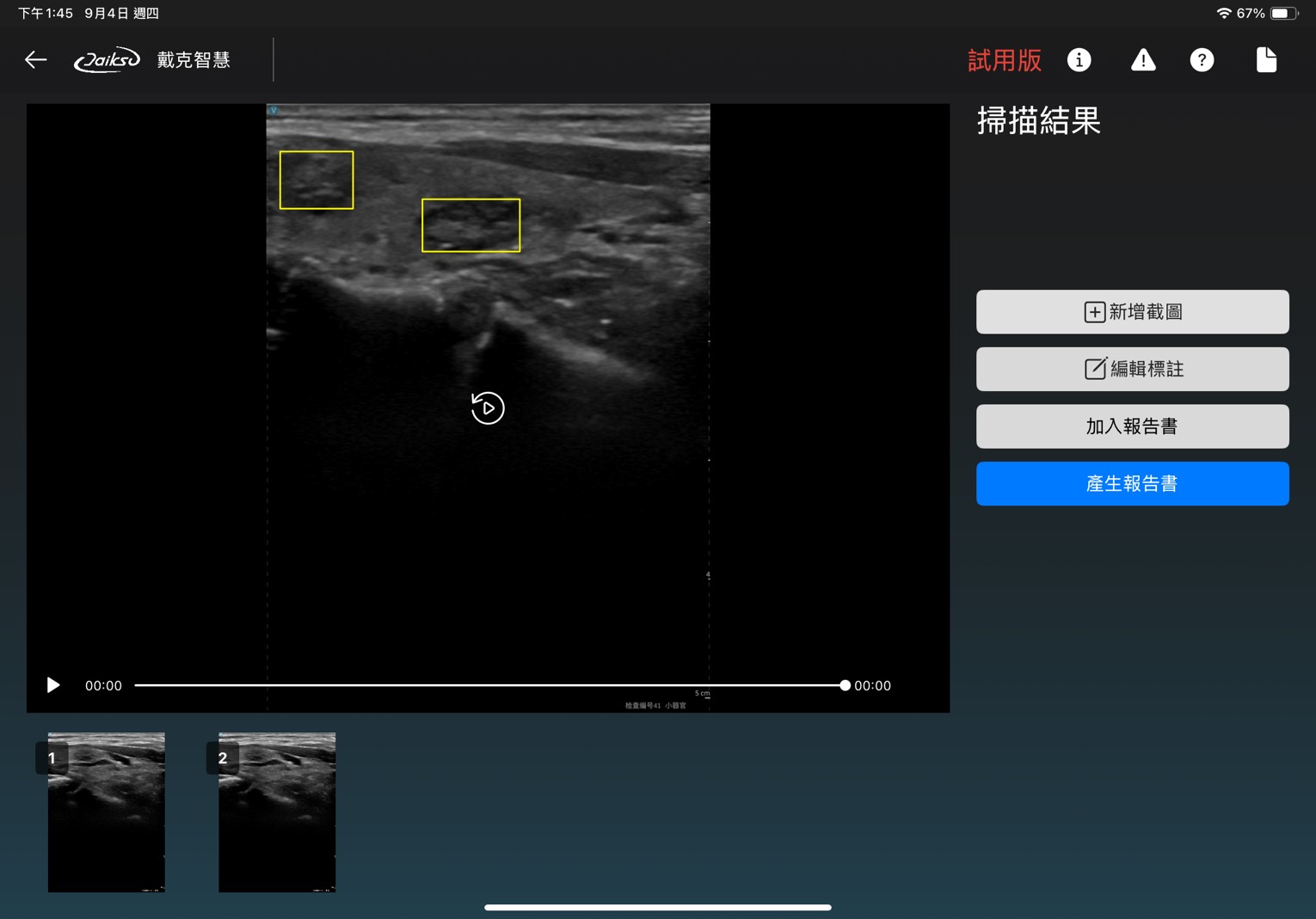
One of the most compelling features of this AI technology is its real-time processing capability. It instantly highlights tumor regions and classifies them as malignant or benign, with red markings indicating malignancy and blue markings signifying benign growths. Additionally, the system provides confidence scores and risk assessments, significantly improving diagnostic accuracy and efficiency. This real-time analysis facilitates prompt clinical decision-making, reducing reliance on costly and time-consuming advanced imaging modalities such as CT or MRI.
Moreover, iGood Liver AI offers seamless integration with existing ultrasound equipment and medical imaging software, making it highly adaptable across various healthcare settings, including hospitals, clinics, and health screening centers. With minimal training required, the system alleviates the workload of medical professionals while improving liver cancer screening rates.
Future Prospects and Global Expansion CEO Hsiao-Ching Nien emphasized that early liver cancer detection remains a major clinical challenge due to the liver’s complex anatomy and imaging limitations. The introduction of iGood Liver AI not only enhances diagnostic precision but also enables real-time decision support, empowering clinicians with advanced tools for early intervention.
Looking ahead, the Good Liver Foundation aims to expand this technology beyond Taiwan, particularly targeting regions with a high demand for liver cancer screening, such as developing countries. Collaboration efforts with global healthcare enterprises are already underway to facilitate widespread adoption of this AI-driven solution.
With ongoing patent development and extensive clinical validation, iGood Liver AI is poised to become a global standard in liver cancer screening. As artificial intelligence continues to transform medical diagnostics, this technology stands as a testament to the growing role of AI in enhancing healthcare efficiency and patient outcomes worldwide.
Resource:《新創動態》AI辨識超音波影像 迅速定位肝腫瘤判斷良惡性