Wistron Medical Technology, a subsidiary of Wistron Corporation, is pioneering AI-enhanced blood dialysis monitoring through a strategic collaboration with Taipei Medical University (TMU). The partnership has launched clinical trials across TMU-affiliated hospitals, leveraging BestShape VS, Wistron Medical’s proprietary continuous physiological monitoring system.
By analyzing over 1,600 patient cases, the research team has developed an initial AI predictive model aimed at early detection of potential complications in dialysis patients. This innovation seeks to enhance clinical decision-making, minimize acute dialysis-related complications, and broaden its applicability in renal care.
The research is spearheaded by TMU President Max Wu, alongside Assistant Professor Cheng-Yu Tsai from the College of Biomedical Engineering and Dr. Chia-Te Liao, Director of Nephrology at Shuang Ho Hospital. Initial multi-disciplinary validation and system integration began at Shuang Ho Hospital and has now expanded to other TMU-affiliated hospitals, including TMU Hospital, Wanfang Hospital, and New National Hospital.
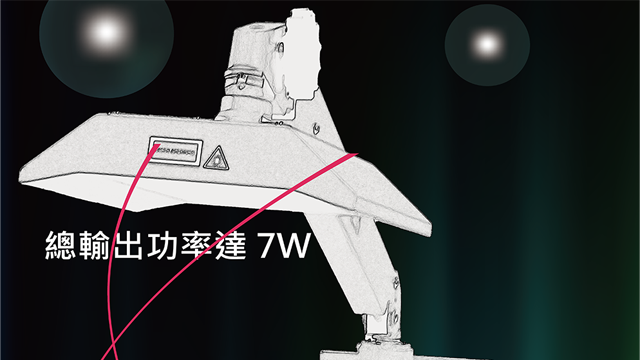
Current dialysis treatments lack real-time physiological monitoring systems, requiring patients to manually measure blood pressure during sessions, which can be inconvenient and uncomfortable. BestShape VS, developed and manufactured by Wistron Medical, utilizes millimeter-wave radar technology for non-contact, continuous physiological monitoring. This allows for prolonged observation of vital signs and sleep patterns without disrupting the patient’s comfort, offering a real-time, patient-friendly solution for dialysis monitoring.
According to Wistron Medical Chairman Jun-Dong Huang, BestShape VS not only captures real-time heart rate, respiratory patterns, and hemodynamic changes but also integrates AI algorithms to assess risks such as hypotension, muscle cramps, and excessive fluid loss. The system is further being developed to predict heart failure risks in dialysis patients, reinforcing a safer treatment environment while enabling early detection of underlying health issues.
This data-driven approach is expected to lay the foundation for broader medical applications, extending beyond nephrology and dialysis centers into general hospital wards and home care settings. By refining AI-powered predictive analytics, Wistron Medical and TMU aim to elevate precision medicine, improve patient quality of life, and advance smart healthcare services.
Resource: 緯創醫學衝刺智慧醫療 攜北醫大提升血液透析照護品質