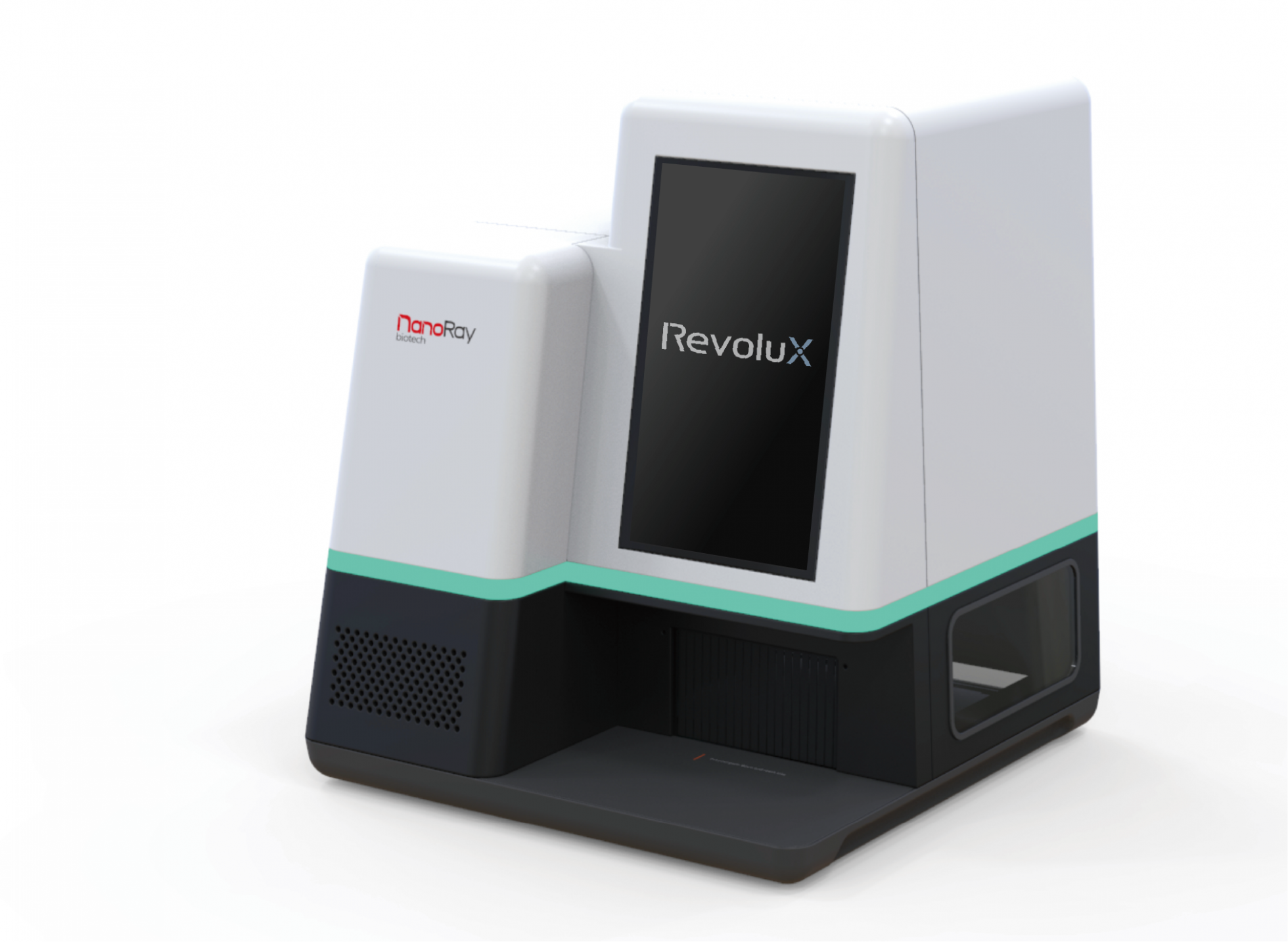
Prof. Kea-Tiong Tang's research team at National Tsing Hua University has developed a breath detection system based on electronic nose technology, integrated with artificial intelligence (AI). This system can quickly screen high-risk lung cancer groups within 10 minutes. It offers non-invasive, fast, and low-cost advantages, and can be combined with X-ray imaging to further improve screening accuracy.
Lung cancer has become an increasingly serious threat, yet current screening methods still have limitations. Because the early symptoms of lung cancer are not obvious, most patients are diagnosed at an advanced stage, missing the optimal treatment window. Currently, low-dose computed tomography (LDCT) is the most effective early screening tool, but it is costly and raises concerns about radiation exposure, making it difficult to use as a routine screening method. Additionally, traditional lung cancer diagnostic procedures are time-consuming and expensive, failing to meet the public’s demand for quick and convenient screening options.
The electronic nose combined with AI quickly and accurately "smells" lung cancer. This system mimics the human olfactory system using an array of sensors to detect volatile organic compounds (VOCs) in exhaled breath. It employs deep learning for high-sensitivity lung cancer detection. In clinical trials at two medical institutions, the system demonstrated a sensitivity of 85% with significantly improved specificity. By applying semi-supervised domain generalization and noise offset enhancement technologies, the system successfully addressed cross-institutional accuracy challenges, achieving an area under the curve (AUC) value close to 0.95.
Moreover, the team combined routine health screening X-ray imaging with a multi-modal deep neural network, mapping electronic nose features to an embedded space learned from image models. By combining olfactory and visual data, the recognition accuracy was further increased by 5%, resulting in even more precise screening. Based on this, a new lung cancer screening process has been proposed, using the electronic nose technology as the first step to determine whether further LDCT screening is needed, thus significantly reducing unnecessary costs and radiation risks.
This innovative screening process alleviates the burden on the healthcare system. Prof. Tang stated that the system not only solves the issues of traditional tests being time-consuming and costly but also provides a non-invasive, low-risk cross-infection screening method that significantly improves public acceptance. In the future, it is expected to become a standard tool in routine health checkups, offering early diagnosis opportunities for high-risk groups and improving survival rates. The technology has completed multiple stages of clinical trials and is planning large-scale promotion through collaborations with medical institutions and industry. Widespread adoption of this technology will not only enhance early lung cancer detection rates but also greatly improve patient survival rates and reduce societal and healthcare burdens.
Resource: 清大研發電子鼻呼吸檢測技術,呼氣檢測揪出肺癌!