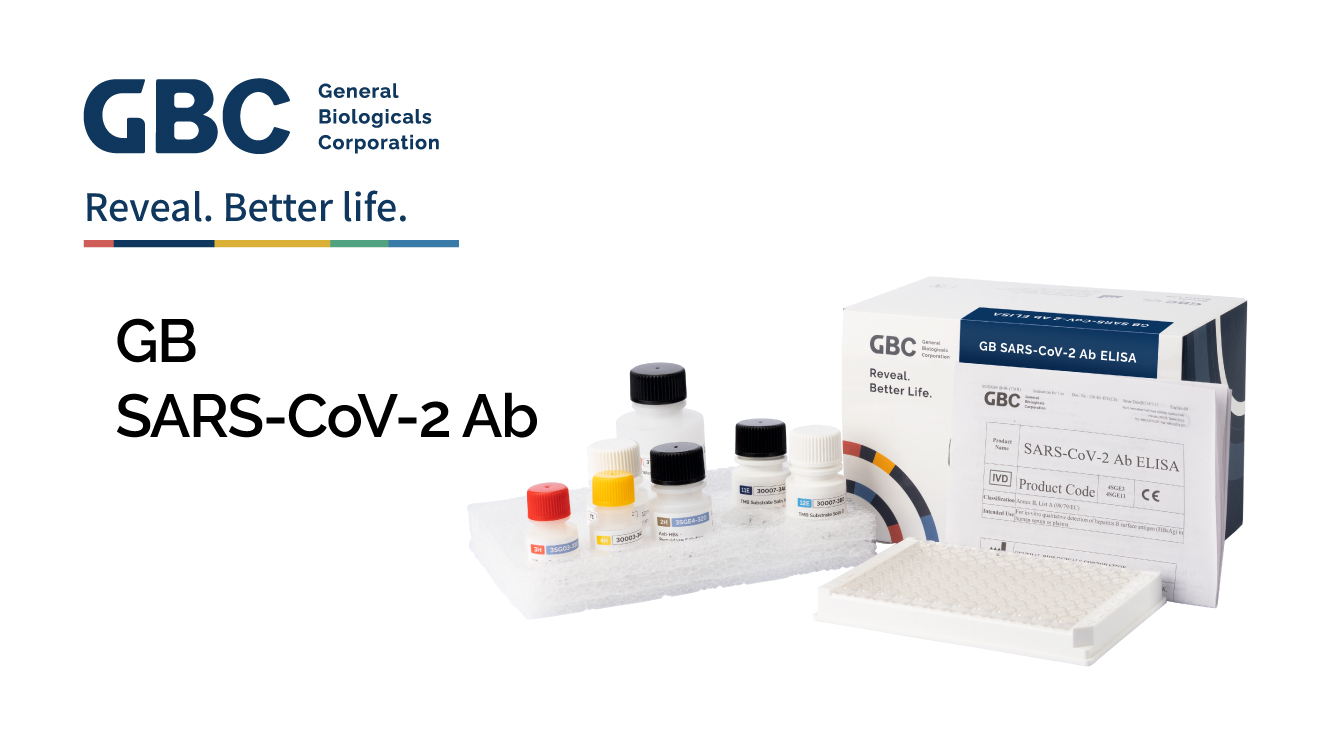
Professor Bang-Gee Hsu's team at Hualien Tzu Chi Hospital has successfully developed an early diagnostic reagent for IgA nephropathy. By targeting specific glycosylation structures on the IgA1 molecule, this innovative reagent enables more accurate and rapid detection of IgA nephropathy, facilitating early intervention to slow kidney function deterioration.
Challenges of IgA Nephropathy: The Need for Early Diagnosis
Chronic kidney disease is a global health issue, significantly affecting patients' quality of life and increasing mortality risk. IgA nephropathy, the most common form of primary glomerulonephritis, presents unique challenges. Its early symptoms are often subtle, and traditional diagnostic methods, such as kidney biopsies, are invasive, pose certain risks, and cannot reliably monitor disease progression.
A Blood Test Revolution: Pinpointing the Culprit with Precision
This breakthrough technology identifies specific antibodies in the blood serum of patients with IgA nephropathy. These antibodies precisely recognize and bind to abnormal glycosylation structures in the hinge region of the IgA1 molecule, specifically the Thr233/236 antigenic module. Notably, Thr236 in the hinge region plays a critical role, as its glycosylation abnormalities trigger the immune system to perceive the IgA1 molecule as a foreign invader. This immune response generates autoantibodies that bind to the abnormal IgA1 molecules, forming immune complexes that deposit in the kidneys, causing inflammation and eventual kidney damage.
By detecting the presence of these specific antibodies in the blood, this diagnostic method accurately identifies IgA nephropathy.
Advantages of the New Diagnostic Technology. Compared to traditional kidney biopsies, this innovative blood test offers several key benefits:
Non-Invasive: Requires only a venous blood draw, eliminating the risks associated with surgical procedures and improving patient acceptance.
Early Detection: Enables diagnosis during the early stages of the disease, supporting timely treatment to slow disease progression and improve outcomes.
High Sensitivity and Specificity: Delivers more accurate diagnoses of IgA nephropathy.
Repeatability: Can be performed regularly to monitor disease progression and evaluate treatment efficacy.
Advancing the Technology to Protect Kidney Health
Professor Hsu emphasized that further refinement and promotion of this technology could significantly improve outcomes for IgA nephropathy patients worldwide. It promises to reduce patient suffering while delivering substantial societal benefits to the medical field. His team is committed to ongoing research and development to enhance the technology and actively promote its clinical application.
Resource: 抽血取代活體切片 IgA腎病變診斷試劑早發現早治療