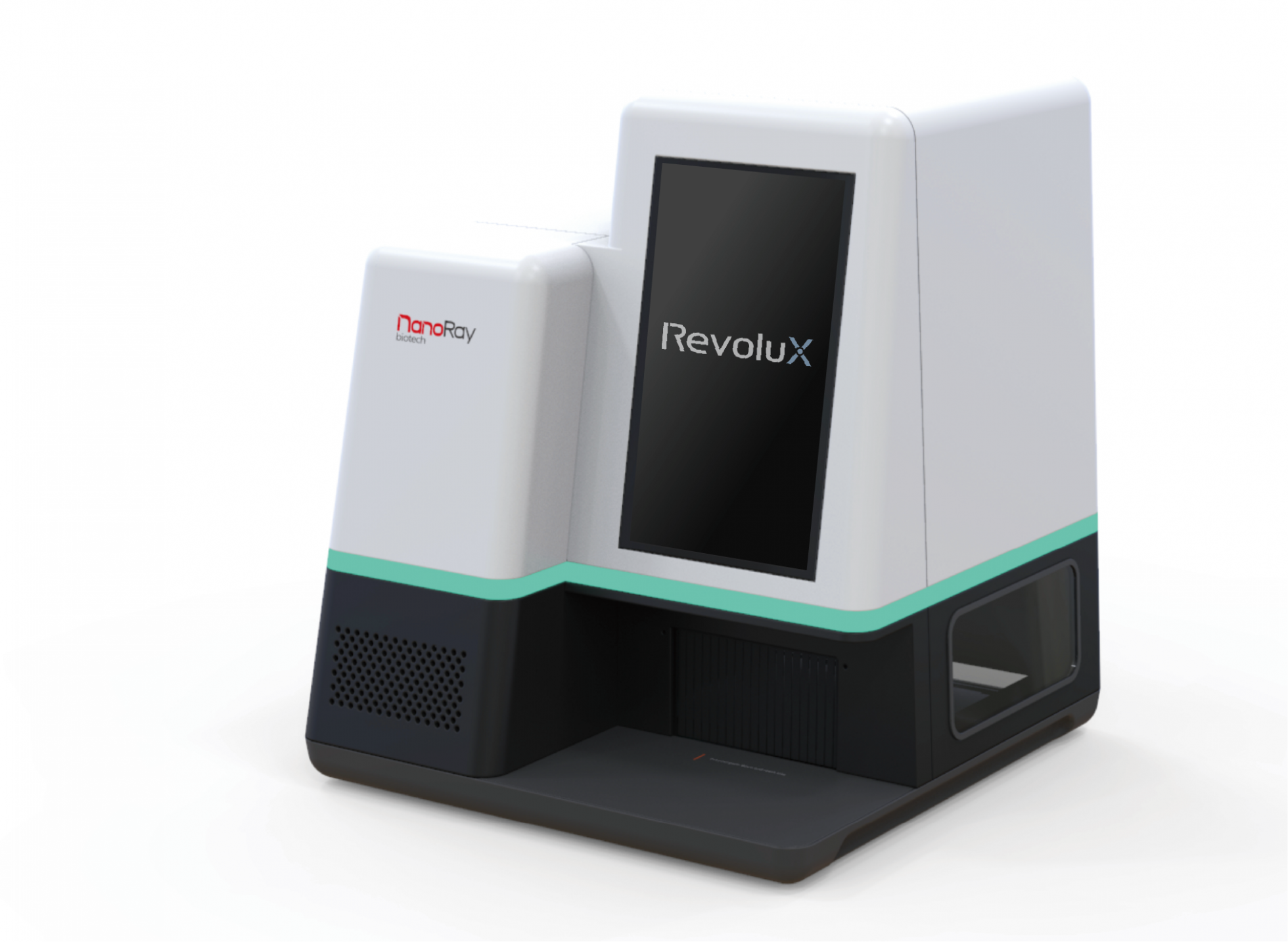
A team led by Distinguished Professor Jyh-Cheng Chen at National Yang-Ming Chiao Tung University has successfully developed an innovative multimodal radiation immunotherapy system that integrates X-ray optics. This system not only performs traditional X-ray computed tomography (CT) scans but also incorporates advanced technologies such as bioluminescence tomography (BLT) and X-ray-excited optical imaging (XLCT/XFCT), enabling high-resolution, multimodal imaging of physiological functions and anatomical structures within living organisms.
Traditional small animal imaging systems, such as micro-PET/CT, provide accurate anatomical and physiological information but often involve radioactive isotopes and are expensive. In contrast, optical tomography systems have gained significant attention in recent years due to their non-invasive nature, relatively low cost, and avoidance of radioactive materials. However, most existing systems offer only single-modal imaging, limiting their application in biomedical research.
A New Era of Multimodal Imaging: Dual-Energy CT and X-ray-Excited Optics for Precise Tracking of Nanomedicine
The system developed by Professor Chen's team overcomes the limitations of traditional imaging systems by achieving multimodal imaging integration. By combining the anatomical information from X-ray CT with the functional data from BLT and XLCT/XFCT, researchers can gain a more comprehensive understanding of physiological and pathological processes within the body.
Dual-Energy CT: Using a tungsten/molybdenum composite X-ray tube, the system enables dual-energy CT reconstruction, which more accurately differentiates between tissues. It generates material-specific CT signals based on the attenuation coefficients of different tissues, facilitating dual-energy CT reconstruction.
X-ray-Excited Optical Imaging: This technique uses X-ray radiation to excite nanomedicine, producing visible light to track specific molecules or cells. This provides a powerful tool for studying the distribution and metabolism of drugs within the body.
Radiation Immunotherapy: Equipped with a specially designed X-ray collimator, the system serves as a testing platform for radiation immunotherapy. In combination with nanomedicines designed specifically for radiation immunotherapy, it holds promise for applications in tumor and antimicrobial treatments.
X-ray and Optical Integration Enhances Precision Diagnosis and Treatment
Professor Chen emphasized that the successful development of this system opens new avenues in biomedical research. Not only does it provide more precise tools for animal model studies, but it also has the potential to accelerate the development of new drugs. Moving forward, the team plans to further optimize system performance and expand its applications in preclinical research, contributing to human health advancements.
This system features multiple innovative technologies with broad application prospects. It provides a powerful tool for basic medical research and introduces new approaches for developing novel therapeutic methods. In the future, this technology is expected to be widely applied in drug development, disease mechanism research, and therapeutic efficacy evaluations, ultimately contributing to human health and well-being.
Resource (mandarin): 多模態影像全方位掃描 生理病理過程無所遁形!