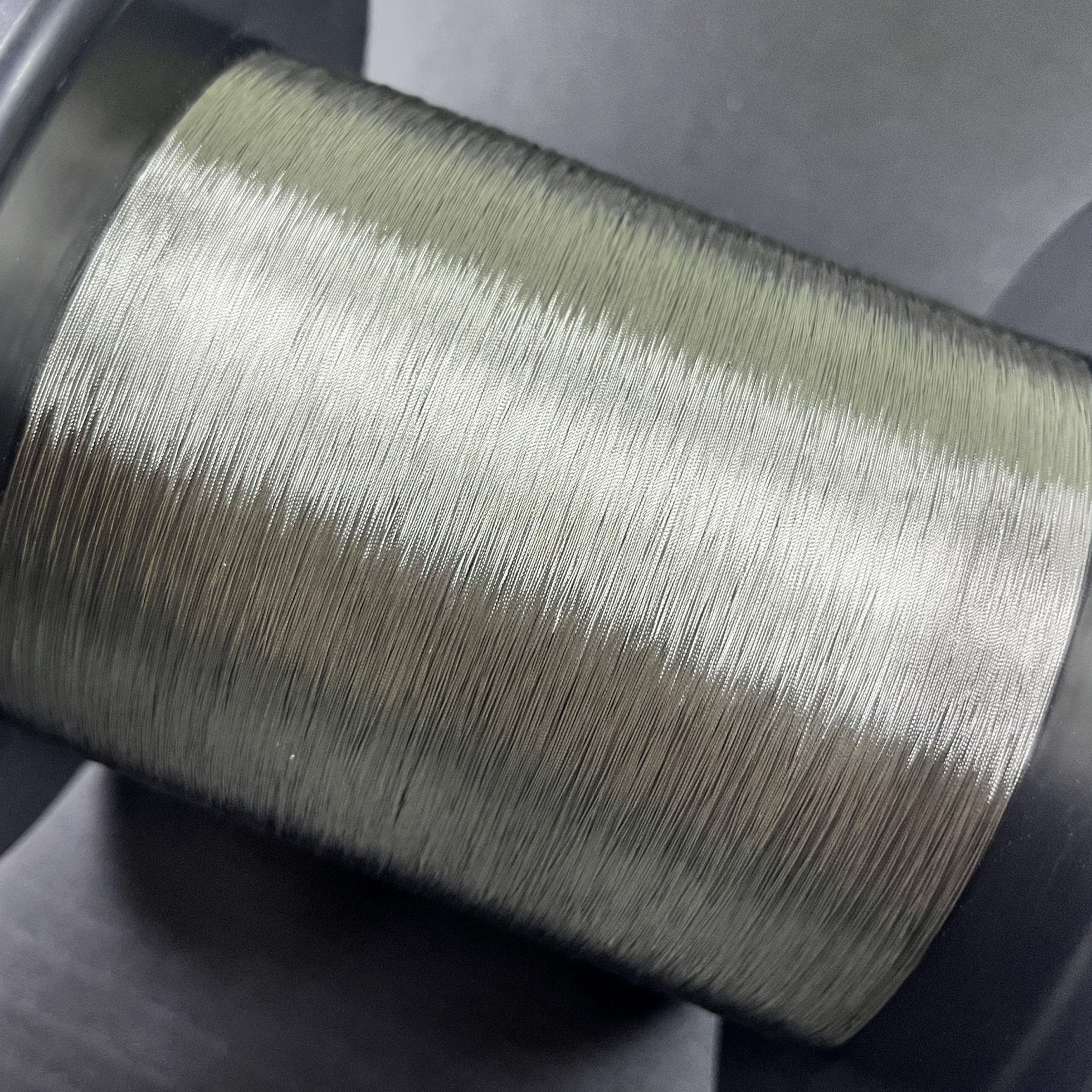
The Industrial Technology Research Institute (ITRI) has developed a plasma surface modification technology for artificial ligament fibers. This technology treats polyethylene terephthalate (PET) artificial ligament material with plasma and coats it with collagen, transforming the surface from hydrophobic to hydrophilic. This promotes cell adhesion, proliferation, and differentiation.
In cell adhesion and proliferation tests using bone marrow mesenchymal stem cells, the modified artificial ligaments showed a 30% increase in cell concentration compared to untreated ligaments, reaching a 90% growth rate by the seventh day. Additionally, in vivo implantation tests demonstrated that the artificial ligaments promoted soft tissue adhesion and bone integration, significantly improving tissue compatibility and addressing clinical issues like wear, loosening, and rupture of artificial ligaments.
Efficient and Uniform Plasma Surface Modification Technology
The global medical device coating market has grown rapidly in recent years, driven by the development of minimally invasive surgery, increased demand for implantable medical devices, and rising income levels. There is a particular need for hydrophilic lubricating coatings to reduce the risk of contamination and enhance biocompatibility.
Dr. Liu Yu-Ping of ITRI's Biomedical Technology and Device Research Laboratories highlights that plasma surface modification technology is highly efficient and can modify surfaces locally or on a large scale without affecting the material's core functions. The technology uses plasma to create highly active radicals or peroxides on the material surface, which then react with collagen to form covalent bonds. Active gases are also introduced during the plasma treatment process, reacting with unsaturated chains on the polymer material surface. This decomposes and cleaves lower-bonded segments, leaving active radicals that form new stable structures, achieving hydrophilic or charged surface modification.
Broad Applications in Medical Devices
Dr. Liu emphasizes the importance of biocompatibility for biomedical materials, as they interact with blood components upon implantation. Plasma surface modification significantly enhances biocompatibility, reducing the risk of rejection or infection post-implantation. Besides artificial ligaments, this technology can be applied to other medical devices such as ventilators, cardiovascular equipment, catheters, sutures, guidewires, stents, and syringes, marking a significant breakthrough in the clinical application of artificial ligaments. The technology is expected to address complications arising from artificial ligament implants, greatly improving their tissue compatibility and clinical applicability. Dr. Liu indicates that ITRI will continue to advance the development and application of plasma surface modification technology, aiming to bring more innovation and progress to the medical device industry.
Resource (mandarin): 植入式醫材最怕感染!工研院開發電漿表面改質技術,促進細胞貼附、提高組織相容性!